How Do I Find a Licensed Preschool?
Yes, you can find a licensed preschool near you, but it takes two steps: make a list of programs, then check each license with your state. A nice website or kind phone call is not enough on its own, so always verify before you apply or enroll.
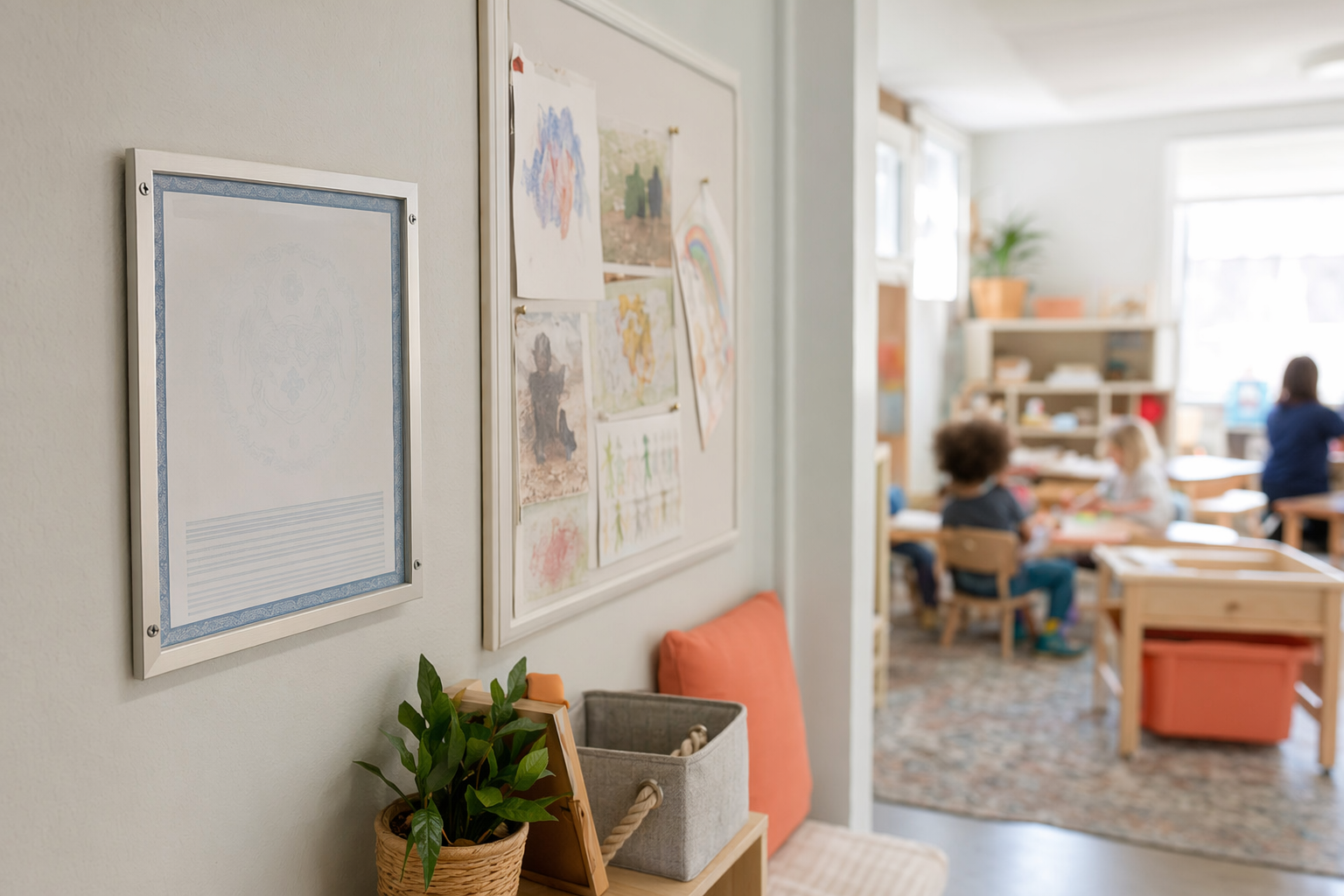
Start with a simple list of nearby preschools
Begin with programs close to your home, work, or a bus route you can use every day. In many areas, families look at 3 to 7 programs before choosing one, but the right number depends on your schedule, budget, and how many openings are available.
You can search online, ask your school district, ask other parents, or use a free matching service like get matched, free. Cubby Road is a free guide service. We help parents and guardians look for programs that fit what they need, such as location, schedule, language support, and age group. We do not run preschools or place children ourselves.
As you make your list, write down a few basics for each program: address, phone number, hours, age range, and monthly cost if listed. If you are not sure what type of program you want, this overview of programs can help.
- Choose a distance you can manage every day, even in bad weather or traffic.
- Check whether the program offers part-time, full-time, or school-day hours.
- Ask if they support your home language or offer a bilingual preschool.
What “licensed” means, and why it matters

A licensed preschool is a program that has permission from the state to operate and is expected to follow state rules. These rules often cover staff background checks, teacher-to-child ratios, health forms, building safety, and training. The exact rules are different in each state.
A license does not mean a program is perfect. It does not guarantee quality, safety, or that a spot is open. But it is an important first check. If a program says it is "license-exempt," ask what that means in your state and whether that type of setting is the right fit for your family.
Some programs may be called preschool, pre-K, child care, or daycare. Names can be confusing. If you want help understanding the differences, read preschool vs. daycare or look at daycare and child care.
- Licensed means the state recognizes the program and sets rules for it.
- Licensed does not mean guaranteed quality or guaranteed safety.
- Always verify the current license yourself.
How to verify a preschool’s license with your state
After you make your list, check each program in your state's child care licensing database. Most states have a public search tool. You usually can search by program name, city, zip code, or license number. If you cannot find the database online, call your state child care licensing office and ask for help.
When you open a program's record, look for the current status. Words like "active," "current," or "licensed" are usually good signs. Also check the address, age range served, and any inspection history listed. If you see recent violations, read what happened and ask the director to explain what changed after that.
If you want step-by-step help, see how to check a preschool license.
- 1. Find your state's official child care licensing search page.
- 2. Search the program by name and city.
- 3. Confirm the address matches the place you plan to visit.
- 4. Check that the license is current, not expired or pending.
- 5. Read inspection notes, complaints, or enforcement actions if your state shows them.
Visit in person and ask direct questions
A state record is important, but you should also visit the preschool in person if you can. A visit helps you see the daily routine, how teachers talk to children, and whether the space feels calm, clean, and organized. Try to visit when children are there, not only after hours.
Ask simple, direct questions. For example: How many children are in one class? How many adults are with them? What languages do teachers speak? How do you handle naps, bathroom help, food, and pick-up? You can also ask how the program shares updates with families who prefer a language other than English.
Bring a list so you do not forget anything. These guides can help: preschool tour checklist and questions to ask on a tour.
- Watch how adults respond when a child is upset.
- Notice if classrooms look safe and easy to supervise.
- Ask to see the posted license at the site.
Look beyond the license: fit, cost, and daily reality
Two licensed preschools can feel very different. One may be play-based, where children learn through games and hands-on activities. Another may be more structured. One may have a stronger bilingual environment. Another may have hours that work better for a parent with an early shift. A good fit depends on your child’s age, your schedule, and what matters most to your family.
Cost matters too. Prices vary a lot by city, schedule, and age group. Infant and toddler care is often more expensive than preschool for ages 3 to 5, but it depends on the area. Ask about registration fees, supply fees, meals, late pick-up fees, and whether there is a waitlist. For more help, visit costs and help paying for preschool.
If you are deciding between program styles, these pages may help: Montessori preschool, play-based preschool, and Head Start and public pre-K.
- Ask for the full monthly cost, not just tuition.
- Check whether the schedule matches your work hours.
- Ask how long the waitlist is, if there is one.
If you want help, use a guide and still verify for yourself
If the process feels stressful, you are not alone. Many families, especially families new to the U.S. school system, want help understanding their options. A free guide service can save time by helping you narrow your list based on the location, schedule, language support, and program type you want.
Cubby Road can help parents and guardians get matched, free, with programs that may fit their needs. We only ask for a parent or guardian's contact information and what they are looking for. Then you can decide which programs to contact. We do not promise admission, and we do not verify quality for you.
Before you choose any program, visit in person and check the state license yourself. If you want support getting started, see how it works or get matched.
- Use a guide to save time.
- Use the state license search to verify facts.
- Use your visit to decide if the program feels right for your family.
Common questions
Can a preschool say it is licensed without showing proof?
A program can say many things, so always verify it in your state's licensing database and ask to see the posted license during your visit.
What if I cannot find a program in the state search?
Call the program and ask for its full legal name, address, and license number. If it still does not appear, call your state licensing office before moving forward.
Does a licensed preschool mean my child will get a spot?
No. Licensing only shows the program is allowed to operate under state rules. Admission depends on openings, age group, schedule, and the program's own process.
Should I skip license checks if a friend strongly recommends a preschool?
No. A friend's experience can be helpful, but you should still check the current license, read recent inspection information, and visit in person yourself.