Preschool vs. Daycare: What's the Difference?
Preschool and daycare can look similar, but they usually serve different family needs. The biggest difference is this: preschool is often more focused on early learning, while daycare is often more focused on longer child care hours for working parents.
The short answer
Preschool is an early learning program. It usually has a school-like routine with circle time, books, songs, art, and play that helps children build skills before kindergarten. Many preschools serve ages 3 to 5, and some are part-time only.
Daycare, also called child care, usually offers longer hours and more year-round care. Many daycares serve babies, toddlers, and preschool-age children. Children still learn through play and daily activities, but the schedule is often built more around care during the workday.
There is overlap. Some daycare programs have strong learning activities. Some preschools offer full-day care. That is why it helps to ask how the day is structured, what hours are offered, and what age groups the program serves. You can compare types of programs at /programs/ and learn more about daycare and child care.
- Preschool often focuses more on kindergarten readiness and social learning.
- Daycare often focuses more on longer care hours, with learning built into the day.
- Some programs do both, so ask questions and visit in person.
What children do each day

In many preschools, the day follows a simple learning routine. A child may have free play, group time, story time, snack, outdoor play, and small activities like puzzles, counting, drawing, or practicing names and letters. Good preschool programs do not mean children sit at desks all day. Young children learn best through play, movement, and talking.
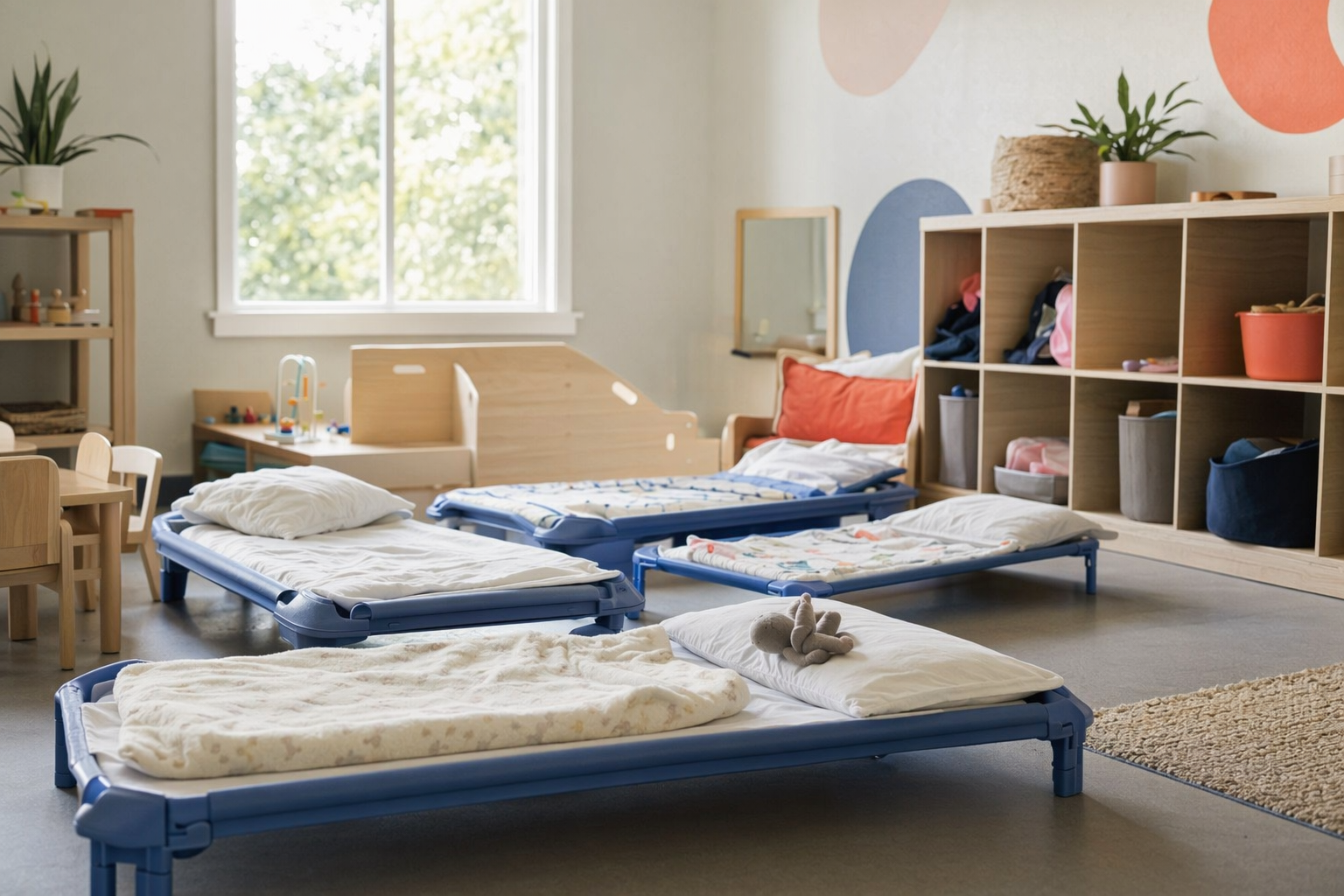
In daycare, children may also sing, read books, do art, and play outside. The difference is often that the day is built around care needs too, like meals, naps, diapering or toilet learning, and flexible arrival and pickup times. For infants and toddlers, that care piece is especially important.
If you want a certain teaching style, ask about it directly. Some programs are play-based, Montessori, bilingual, or faith-based.
Hours, calendar, and age ranges
Hours are often one of the biggest practical differences. Many preschools run about 2.5 to 6 hours a day. Some are only morning programs. Some follow a school-year calendar and close in summer, holidays, or school breaks. If you need care from early morning to late afternoon, a part-time preschool may not be enough by itself.
Many daycare programs offer full-day care, often around 8 to 11 hours a day, and some are open most of the year. But every program is different. Some close early. Some charge late pickup fees. Some have waitlists.
Age also matters:
1. Daycare may start in infancy or toddler years.
2. Preschool usually starts around age 2.5, 3, or 4.
3. Pre-K is often for children around 4 to 5 before kindergarten.
If your child is younger, these guides may help: infant daycare, toddler daycare, twos programs, preschool ages 3 to 4, and pre-K ages 4 to 5.
- Preschool is often part-time or school-year only.
- Daycare is often full-day and more year-round.
- Always ask for exact drop-off, pickup, holiday, and summer schedules.
Cost can be very different
Cost depends on your city, your child's age, the number of hours, and whether the program is private, public, nonprofit, or faith-based. In many places, full-time daycare costs more each month than part-time preschool because the hours are longer. Infant care is also often more expensive than care for older children.
But part-time preschool is not always cheap, and full-day preschool can cost as much as daycare in some areas. Public Pre-K and Head Start may cost much less or be free for families who qualify. It depends on income, location, and program rules.
Ask each program for the full price, not just tuition. Also ask about:
- registration fees
- supply fees
- meals or snacks
- late pickup fees
- summer costs
- whether there is a waitlist fee
For more help, see costs, help paying for preschool, and Head Start and public Pre-K.
How to choose what fits your family
A good choice depends on your real life. Think about your work schedule, transportation, budget, language needs, and your child's age and personality. A child who is 4 and ready for a group routine may do well in preschool. A family that needs care from morning to evening may need daycare or a full-day program.
For many immigrant and multilingual families, language matters too. Ask whether staff speak your home language, whether your child can hear and use both languages, and how the program communicates with parents. A bilingual program can be a good fit for some families, but it depends on what is available near you.
These questions can help:
- Do I need care all day, or just a few hours?
- Is my child old enough for the program's age group?
- Does the daily routine match my child's needs?
- Can I afford the total cost each month?
- How will the program talk with me if English is not my first language?
If you are still deciding, read how to choose a preschool, part-time vs. full-time preschool, and keeping your home language.
What to check before you decide
Whatever type of program you choose, visit in person if you can. Watch how adults talk to children. See whether children seem busy, calm, and supervised. Ask about the daily schedule, toilet learning help, meals, discipline policy, and how they handle sick days and transitions.
It is also important to check the state license yourself. A license means the program is approved by the state to operate under state rules, but you should still review the details and ask questions. You can learn how in how to check a preschool license.
Bring a list of questions so you do not forget anything. These guides can help: preschool tour checklist, questions to ask on a tour, and understanding teacher-child ratios.
If you want help finding options that fit your needs, Cubby Road is a free guide service. We help parents compare programs and get matched, free. We are not a preschool or daycare, and families should always verify the license and decide for themselves.
Common questions
Is preschool better than daycare?
Not always. It depends on your child's age, your work hours, your budget, and what kind of daily routine you want.
Can a daycare also teach preschool skills?
Yes. Many daycare programs include books, songs, art, counting, and social learning. Ask what children do each day.
Which costs less, preschool or daycare?
Often, part-time preschool costs less than full-time daycare, but prices vary a lot by city, age, and program type.
How do I know if a program is right for my family?
Visit in person, ask about hours, cost, language support, and daily routine, and check the state license yourself.