Montessori Preschools
Montessori preschool is a style of early education where children choose from hands-on activities and learn at their own pace. Some families love the calm, independent feel, but programs can vary a lot, so it helps to know what to look for before you apply.
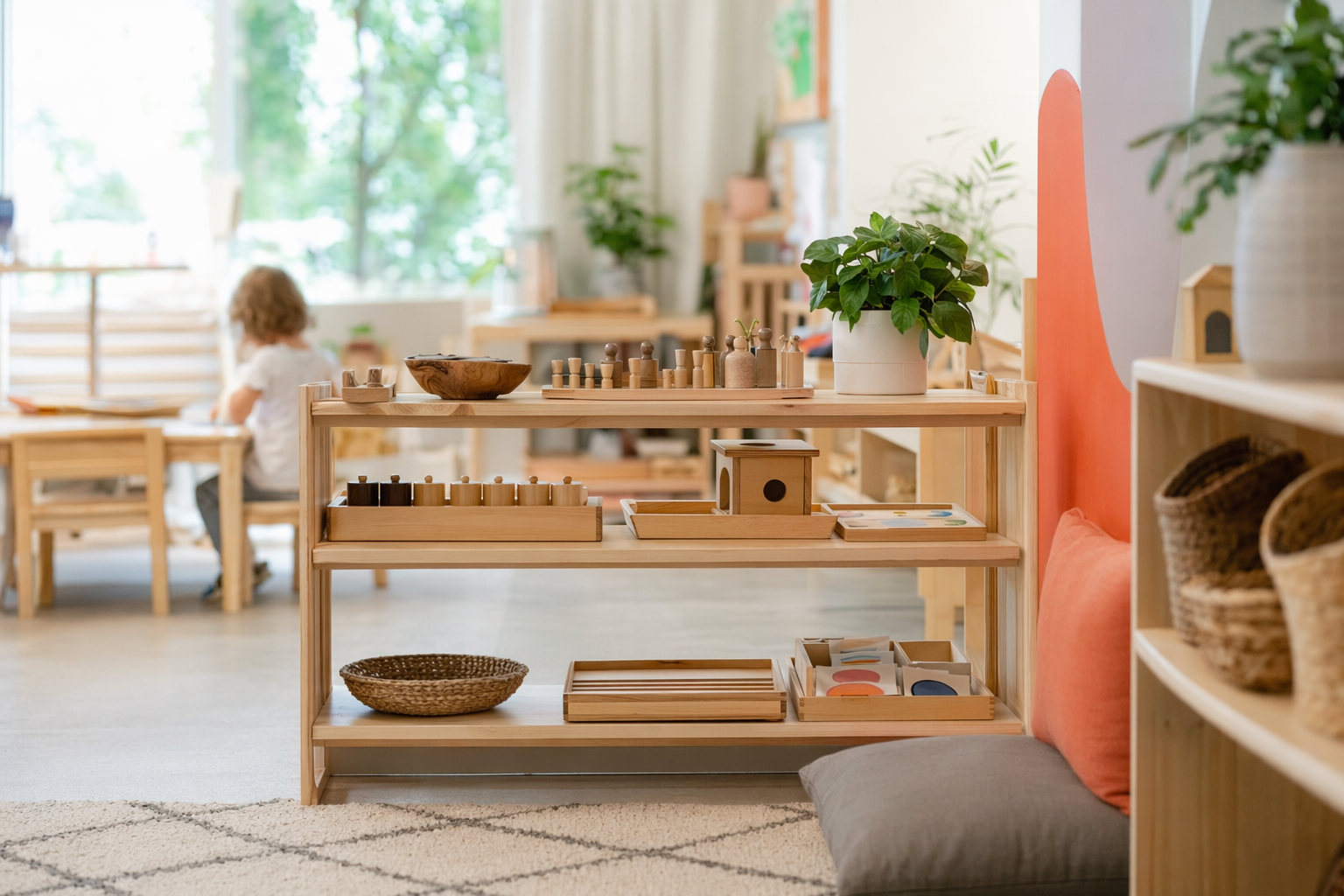
What a Montessori preschool is
Montessori is a teaching method created by Dr. Maria Montessori. The main idea is that children learn best by doing. Instead of only listening to a teacher, children work with special materials, practice real-life skills, and make some choices about what they do.
In many Montessori classrooms, children spend a long block of time working independently or in small groups. Teachers guide, observe, and show children how to use materials, but they may not lead the whole class every minute. You may hear the phrase "child-led." That means the child has some choice and follows their interests within a prepared classroom routine.
A true Montessori program often has mixed ages in one room, such as ages 3 to 6 together. Younger children learn by watching older children. Older children practice helping and leading. If you are still comparing styles, you can also read about play-based preschools or see other program types.
- Common activity areas include practical life, early math, language, art, and sensory work.
- Many Montessori classrooms use child-sized shelves, tables, and tools so children can work on their own.
How a typical day looks

A Montessori day is often quieter and less rushed than some other preschools. Children usually arrive, put away their things, and start a long work period. During that time, they choose from activities the teacher has already placed on shelves.
For example, one child may practice pouring water between cups. Another may match letters and sounds. Another may wash a table, count beads, or work on a puzzle map. The teacher may give a short lesson to one child or a small group, then step back so the child can practice alone.
There is still structure. Most programs include snack, outdoor play, group time, and clean-up. Some also include nap or rest time, especially for younger children. But compared with a very teacher-led classroom, Montessori often gives children longer periods to focus on one task.
- Look for long, uninterrupted work time, not constant switching from one activity to another.
- Ask how much outdoor play, music, and free play are included each day.
What ages it fits best
Montessori can start very young, but the preschool years are where many families first see it. The most common Montessori preschool classroom is for ages 3 to 6. Some schools also have infant and toddler rooms, while others start at age 3.
This style can work well for children who like routine, hands-on learning, and repeating tasks until they master them. It can also be a good fit for children who enjoy working independently. But every child is different. A very active child may still do well in Montessori if the classroom gives enough movement, outdoor time, and warm teacher support.
If your child is younger, you may also want to compare options by age, like toddler care or preschool for ages 3 to 4.
- Many programs prefer children to be at least partly toilet trained by age 3, but rules vary.
- Ask whether the classroom is mixed-age and how younger children are supported.
Pros and honest trade-offs
Many families choose Montessori because it can build independence, focus, and confidence. Children often learn practical skills early, like cleaning up, serving snack, or putting on their coat. The classroom can feel calm and respectful, and mixed ages can help children learn from each other.
There are trade-offs too. Some children want more pretend play, louder group games, or frequent teacher-led activities. Some Montessori classrooms include less dramatic play or fewer bright toys than parents expect. Also, the word "Montessori" is used loosely in some places, so one school may feel very different from another.
Cost can be another factor. Montessori programs are often private, which may mean higher tuition than some public or community-based options. Prices depend on the city, schedule, and age group. You can read more about preschool costs and help paying for preschool.
- Possible strengths: independence, concentration, order, practical skills
- Possible trade-offs: less group instruction, less pretend play in some programs, higher cost in some areas
How to tell a real Montessori program from one that just uses the name
This part matters. In the United States, not every program that says "Montessori" follows the method closely. The name itself is not always a guarantee. That is why a tour is important.
Look for a classroom with child-sized materials placed neatly on open shelves, a long work period, and teachers who calmly guide instead of directing every moment. Ask whether classrooms are mixed-age. Ask how teachers were trained in Montessori. Some programs have teachers with formal Montessori training, while others use only a few Montessori ideas.
Also check the basics. Ask about the daily schedule, teacher-child ratio, discipline approach, outdoor time, and communication with families. Most important, verify the state license yourself before you choose any program. Cubby Road can help you get matched, free, but families should still visit in person and use guides like how to check a preschool license and understanding teacher-child ratios.
- Ask directly: "What makes your program Montessori every day, not just in name?"
- Watch whether children are actively working with materials or mostly waiting for instructions.
What to ask on a tour
A tour can tell you a lot. Try to visit while children are there, not only after hours. Watch how teachers speak to children, how children move around the room, and whether the space feels calm, safe, and organized.
You can keep your questions simple:
- What ages are in this classroom?
- How long is the child work period each morning?
- What training do teachers have in Montessori?
- How do you handle behavior, conflict, and big feelings?
- How much outdoor time and active play do children get?
- What is the tuition, and what fees are extra?
It also helps to ask how the program supports multilingual families, how they communicate with parents, and what the first weeks are like for new children. You can bring this preschool tour checklist or these questions to ask on a tour.
- Ask if you can observe a real class for at least a few minutes.
- Notice whether children seem busy, comfortable, and respected.
How Montessori compares on cost
Montessori preschool often costs more than public pre-K or Head Start, but it depends on where you live and whether the program is part-time or full-time. Infant and toddler care, if offered, may cost even more. Some schools include meals or extended care in tuition, while others charge extra.
Do not assume a higher price means a better fit. A good program for your family is one that matches your child, your schedule, your language needs, and your budget. Some families compare Montessori with bilingual preschools, daycare and child care, or Head Start and public pre-K.
If you want help sorting through options, Cubby Road is a free guide service for families. We can help you get matched, free based on what a parent or guardian is looking for, and you can learn more about how it works.
- Ask for the full monthly cost, not just base tuition.
- Check whether there is a waitlist, registration fee, supply fee, or late pickup fee.
Common questions
Is Montessori good for every child?
Not always. Some children do very well with the independence and routine. Others may prefer more pretend play, more group teaching, or a different classroom style.
Does Montessori mean children can do anything they want?
No. Children usually have choices, but inside a structured classroom with clear rules, set materials, and teacher guidance.
Are all Montessori schools the same?
No. Programs can differ a lot in teacher training, schedule, classroom setup, and how closely they follow the method.
How can I know if a Montessori preschool is legitimate?
Visit in person, ask about teacher training and daily routine, and verify the state license yourself. The name alone is not enough.