How to Check a Preschool's License
Yes, you can check a preschool's license yourself. Every state has a child care licensing system, and a few minutes online can help you confirm that a program is licensed, see its inspection history, and know what to ask when you visit.
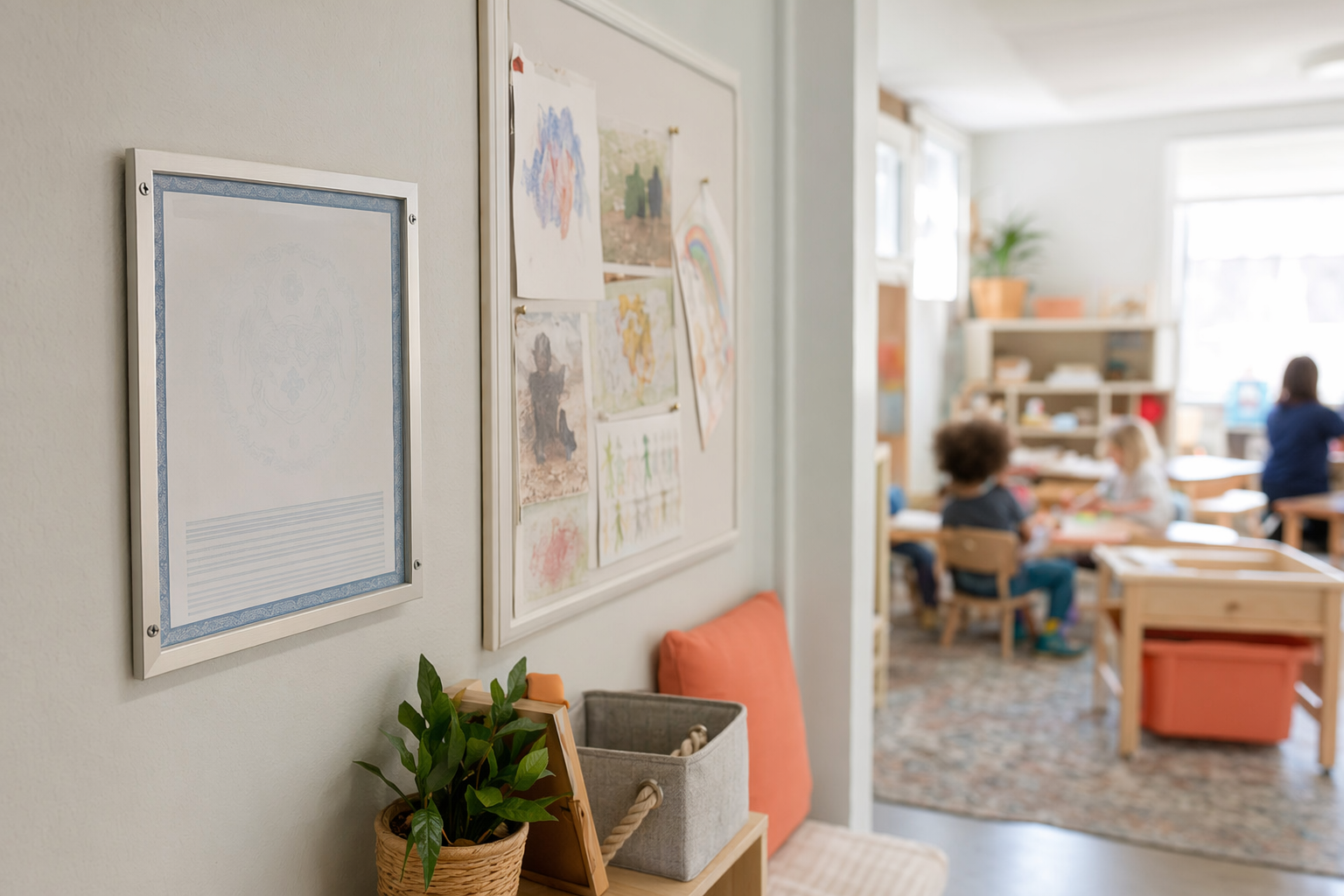
Why checking a license matters
A license is the state's basic approval for a child care program to operate legally. It usually means the program has met minimum rules for things like staff background checks, health and safety practices, training, and the number of children allowed in a room.
A license does not mean a program is perfect. It also does not guarantee quality or safety every day. That is why it is important to do both steps: check the state record online, then visit in person and ask questions. Our preschool tour checklist and questions to ask on a tour can help.
Some programs may be license-exempt. That means the state does not require the same license for that setting. Rules are different in each state, so if you see "license-exempt," read carefully and ask the state agency what oversight still applies.
- Licensed means the state says the program can operate under its child care rules.
- License-exempt means different rules may apply, depending on the state and the type of program.
- You should still verify the state record yourself before you enroll.
How to find the license record

Start with the name of the program and its address. Then search online for your state plus words like "child care licensing lookup" or "daycare inspection reports." In many states, there is a public search tool where you can type the program name, city, or ZIP code.
When you open a program's record, compare the details carefully. Check the address, phone number, age range served, and the type of program. A similar name can belong to a different location.
If you want help finding options, Cubby Road can get you matched, free with programs that fit what your family is looking for. We are a free guide service, not a preschool or daycare, so you should still confirm each program's license on the state website yourself.
- Search by both program name and address if possible.
- Look for the exact location your child may attend.
- Save or screenshot the record so you can review it later.
What to look for on the license page
First, check whether the license is active. You may see words like "active," "current," "probation," "suspended," or "revoked." An active license usually means the program is allowed to operate right now. If the status is anything else, ask the state agency and the program for an explanation.
Next, look at capacity and ages served. Capacity means the maximum number of children the state allows at that site. Ages served tells you whether the program is approved for infants, toddlers, preschoolers, or older children. If a program says it serves your child's age, the state record should usually match.
Also look for inspection dates, complaint investigations, and violations. A violation means the state found that a rule was not followed. One issue from years ago is different from repeated serious issues. Read for patterns.
Common things to review include:
1. License status and expiration date
2. Capacity and ages served
3. Inspection history from the last 1 to 3 years, if available
4. Complaint findings or enforcement actions
5. Any notes about corrective action, which means how the program fixed a problem
How to read inspection reports without panicking
Inspection reports can look scary at first. Most programs have at least some corrections over time. The important question is not only "Was there a violation?" but also "How serious was it, and did it keep happening?"
Look for repeated problems in the same area, especially health and safety issues. For example, you may see concerns about supervision, staff-to-child ratios, safe sleep, medication storage, playground safety, or missing background check paperwork. Repeated issues deserve more questions.
Try this simple way to read a report:
- Check the date. Old reports matter less than recent patterns.
- Check the severity. Some states mark violations as low, moderate, or serious.
- Check whether the issue was corrected.
- Check whether the same issue appears again and again.
If you are not sure what a violation means, call the licensing office listed on the state site and ask in plain language. You can also ask the director to explain what happened and what changed after the inspection. Their answer can tell you a lot.
- One corrected paperwork issue is not the same as repeated supervision problems.
- Recent reports usually matter more than very old ones.
- If something feels unclear, ask the state and ask the program.
What to ask when you visit in person
Online records are helpful, but they do not show everything. Visit the program if you can. Watch how adults speak to children, how children move through the room, and whether the space feels calm, clean, and organized.
Ask to see the posted license. In many states, the license must be displayed where families can see it. Make sure the address and age group match the program you are touring.
A few good questions are:
- Can you explain any recent violations on your state record?
- How do you keep children supervised during bathroom breaks, outside time, and arrival or pickup?
- What is your teacher-child ratio during the full day?
- What languages do staff speak with families and children?
If ratios are confusing, read understanding teacher-child ratios. If you are deciding between program types, preschool vs. daycare may help.
Red flags and what to do next
Slow down if you cannot find any state record, if the address does not match, or if the program avoids your questions. Those are signs to verify more before making a decision. You can contact the state licensing office directly and ask whether the site is licensed, license-exempt, or not allowed to operate.
Other red flags can include repeated serious violations, no clear explanation for inspection findings, or promises that sound too big. No program can promise a perfect experience. It depends on the staff, the classroom, and how the program is run day to day.
After you verify the license, compare other factors too: schedule, language support, teaching style, and cost. These guides may help: how to choose a preschool, help paying for preschool, and how to apply to preschool.
If you want a simpler starting point, Cubby Road can get you matched, free based on what you are looking for. We only collect a parent or guardian's contact details and preferences, then help point you toward programs to consider. You should always visit in person and verify the state license yourself before enrolling.
- No public record found
- Wrong address or wrong age range on the state record
- Repeated serious violations
- The program refuses to discuss inspection history
- The posted license does not match the location
Common questions
Can a preschool be good if it has violations?
Sometimes, yes. Many programs have some violations. Look for how serious they were, whether they were fixed, and whether the same problem keeps happening.
What does license-exempt mean?
It means the program may not need the same child care license under your state's rules. It does not mean "bad" or "good" by itself. Ask the state what oversight applies.
Should I trust the program's website if it says it is licensed?
Use the state licensing website to verify it yourself. Program websites can be outdated or unclear.
What if I cannot find inspection reports online?
Call or email the state child care licensing agency. In some states, reports are in a different database or available only by request.