Preschool for 3–4 Year Olds
A good preschool for 3 to 4 year olds helps children learn through play, routine, and warm teacher support. This age is a big time for language, friendship, self-help skills, and curiosity.
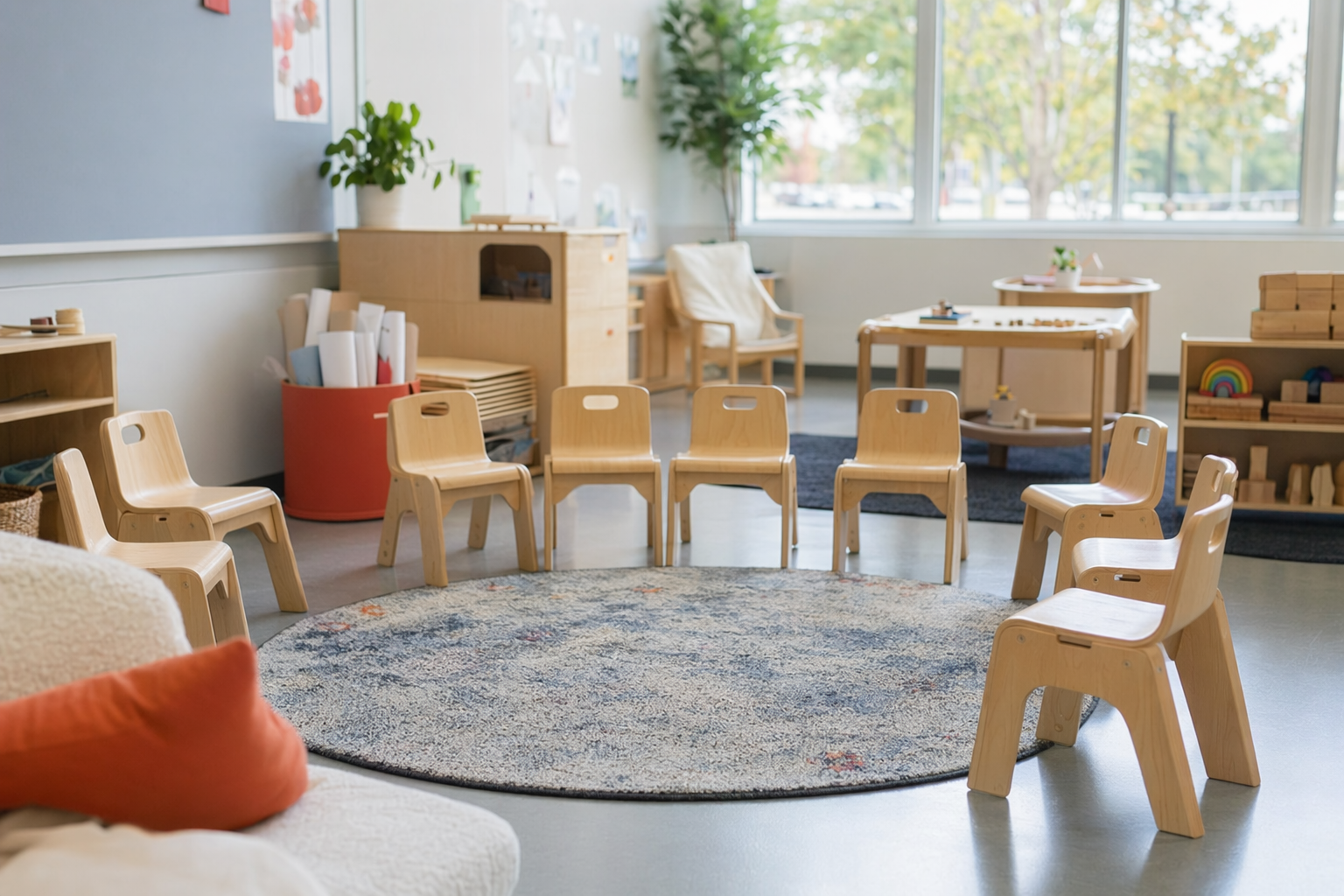
What 3 to 4 year olds usually need
Most children this age are learning how to be part of a group. They practice taking turns, following simple directions, waiting a little, and using words to ask for help. They also need time to move, play, sing, listen to stories, and do hands-on activities.
Preschool at this age is usually not about long lessons or worksheets. It is more about learning by doing. For example, a child may count blocks, talk about colors while painting, or learn new words during snack and story time.
Children also grow at different speeds. One 3 year old may talk a lot but still need help with the toilet. Another may be shy at first but join play after a few weeks. If you are unsure about readiness, preschool readiness signs can help you know what to look for.
- Language growth, including home language and English if the program uses both
- Social practice, like sharing space and playing near or with other children
- Simple routines, such as circle time, snack, cleanup, and outdoor play
- Help with self-care, like washing hands, putting on a coat, and using the toilet if the program expects it
What a good program for this age can look like

A strong program for 3 to 4 year olds usually has a predictable day, kind teachers, and lots of active play. You may see centers or stations for blocks, pretend play, books, art, puzzles, and sensory play. Sensory play means activities like water, sand, play dough, or rice bins that children can touch and explore.
Look for teachers who talk with children, not only at children. Good teachers get down to the child's level, ask questions, name feelings, and help children solve small problems. The room does not need to look fancy. What matters more is whether children seem busy, safe, and supported.
Different styles can work well. Some families like play-based preschool, where children learn mostly through guided play. Others prefer Montessori preschool, bilingual preschool, faith-based preschool, or Head Start and public pre-K. The best fit depends on your child, your schedule, language needs, and budget.
- A daily schedule with play, outdoor time, snacks or meals, rest, and stories
- Books, toys, and posters that reflect different cultures and families
- Teachers who welcome your home language and communicate clearly with parents
- Enough time for free play, not only sitting still
Ratios, safety, and what to ask about
Teacher-child ratio means how many children each adult is responsible for. Lower ratios often mean more attention for each child, but the right number depends on your state and program type. Ask for the exact ratio in your child's classroom, and ask whether it changes during early drop-off, late pick-up, outdoor play, and nap time. This guide on understanding teacher-child ratios can help.
You should also ask about the state license. Every program has to follow the rules of its state if it is licensed. Ask for the license number, then verify it yourself. Cubby Road is a free matching service, not a childcare provider, so families should always visit in person and check the license on their own. This step-by-step guide can help: how to check a preschool license.
On a tour, ask simple safety questions. Who can pick up a child? How do teachers handle allergies, medication rules, or injuries? What happens if a child has a hard day, bites, or hits? You can bring this preschool tour checklist or these questions to ask on a tour.
- Is the program licensed by the state, and how can I verify it?
- What is the teacher-child ratio in this classroom?
- How are bathrooms supervised and cleaned?
- What is the plan for emergencies, sick children, and parent contact?
How to judge fit for your child and family
Fit means more than academics. Think about hours, location, cost, language, meals, nap or quiet time, and how teachers talk with families. A good program for one family may not work for another family.
During a visit, watch your child if they come with you. Do they seem curious? Do teachers greet them warmly? Can you picture your morning drop-off there? Also notice your own comfort. If staff rush your questions or cannot explain the daily routine clearly, that matters.
It helps to compare two or three programs side by side. You can write down what each one offers, what it costs, and how long the waitlist may be. These guides may help: how to choose a preschool, preschool waitlists explained, and part-time vs full-time preschool.
If you want help finding options, Cubby Road can get matched, free. We help parents and guardians look for preschools and daycares that may fit what they need. You can also read how it works first.
- Hours that match your work or family schedule
- Teachers who can communicate in a language you understand
- Clear tuition, fees, and payment rules
- A classroom style that matches your child's temperament
Common worries parents have
Many parents worry that their child is too shy, not toilet trained yet, or does not speak much English. These concerns are common. Some programs expect toilet independence, and some are more flexible, so ask directly before you apply. If your family speaks another language at home, that is a strength, not a problem. A caring program should respect that. You may like keeping your home language and immigrant family preschool guide.
Parents also worry about cost. Prices can vary a lot by city, schedule, and program type. Some families qualify for free or lower-cost options, public programs, or tuition help. Start with costs and help paying for preschool.
Another worry is whether preschool is better than daycare. For many 3 to 4 year olds, both can be good choices. The real question is what the day looks like, who the teachers are, and whether the setting fits your family. This guide may help: preschool vs daycare.
- It is okay to ask a program to explain expectations in simple language
- It is okay to visit more than once before deciding
- It is okay if your child needs time to adjust
Common questions
Is my 3 year old ready for preschool?
Maybe. Many children are ready if they can spend some time with other adults, follow simple routines, and communicate basic needs. Readiness is different for every child.
Does my child need to be fully toilet trained?
It depends on the program. Some require it, and some do not. Ask before you join a waitlist or apply.
Will preschool help if my child speaks another language at home?
It can, especially if teachers value your home language and communicate well with families. Ask how the program supports multilingual children.
How do I find preschool options near me?
You can compare local programs on your own, tour them, and verify each state license. If you want help, you can [get matched, free](/get-matched/).