Is Your Child Ready for Preschool?
Maybe. Preschool readiness is not about being perfect or doing everything alone. It usually means your child is starting to handle short group routines, separate from you for a little time, and show curiosity about being with other children and adults.
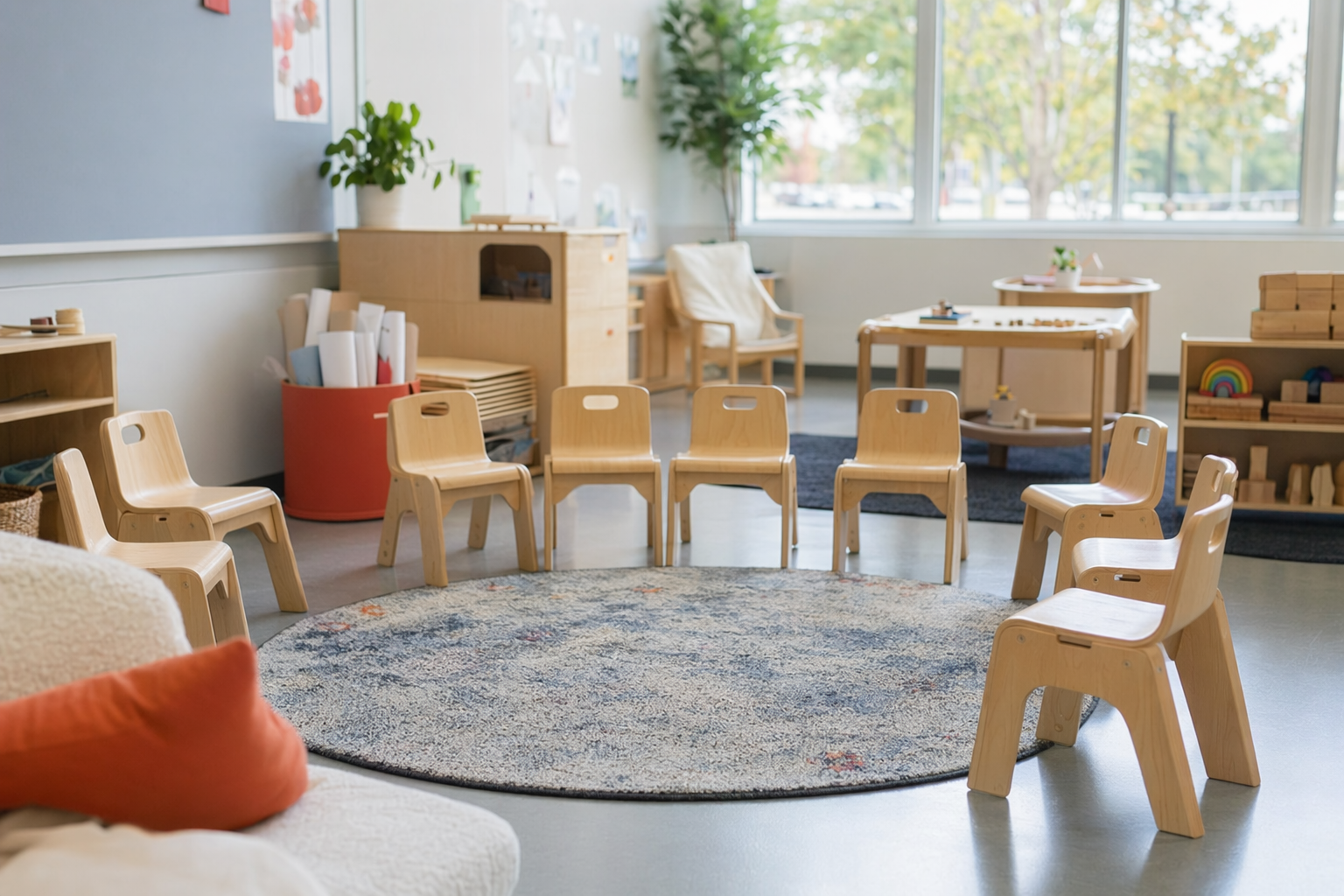
What preschool readiness really means
Many parents think preschool readiness means knowing letters, numbers, or how to sit still for a long time. Usually, that is not the main thing. Most programs care more about simple daily skills, like trying to follow directions, joining group activities, and recovering after small frustrations.
Readiness also depends on the program. A part-time play-based class may expect something different from a full-day program. A child who is not ready for one setting may do well in another. That is why it helps to learn about program types and age groups before you decide. You can compare options on Programs, Preschool Ages 3-4, and Pre-K Ages 4-5.
If your child is shy, has big feelings, is learning English, or still needs help with some routines, that does not automatically mean they are not ready. Many children grow into preschool slowly, especially in the first few weeks.
- Readiness is about progress, not perfection.
- Different schools and daycares have different expectations.
- Your child can be ready even if they still need support.
Signs your child may be ready
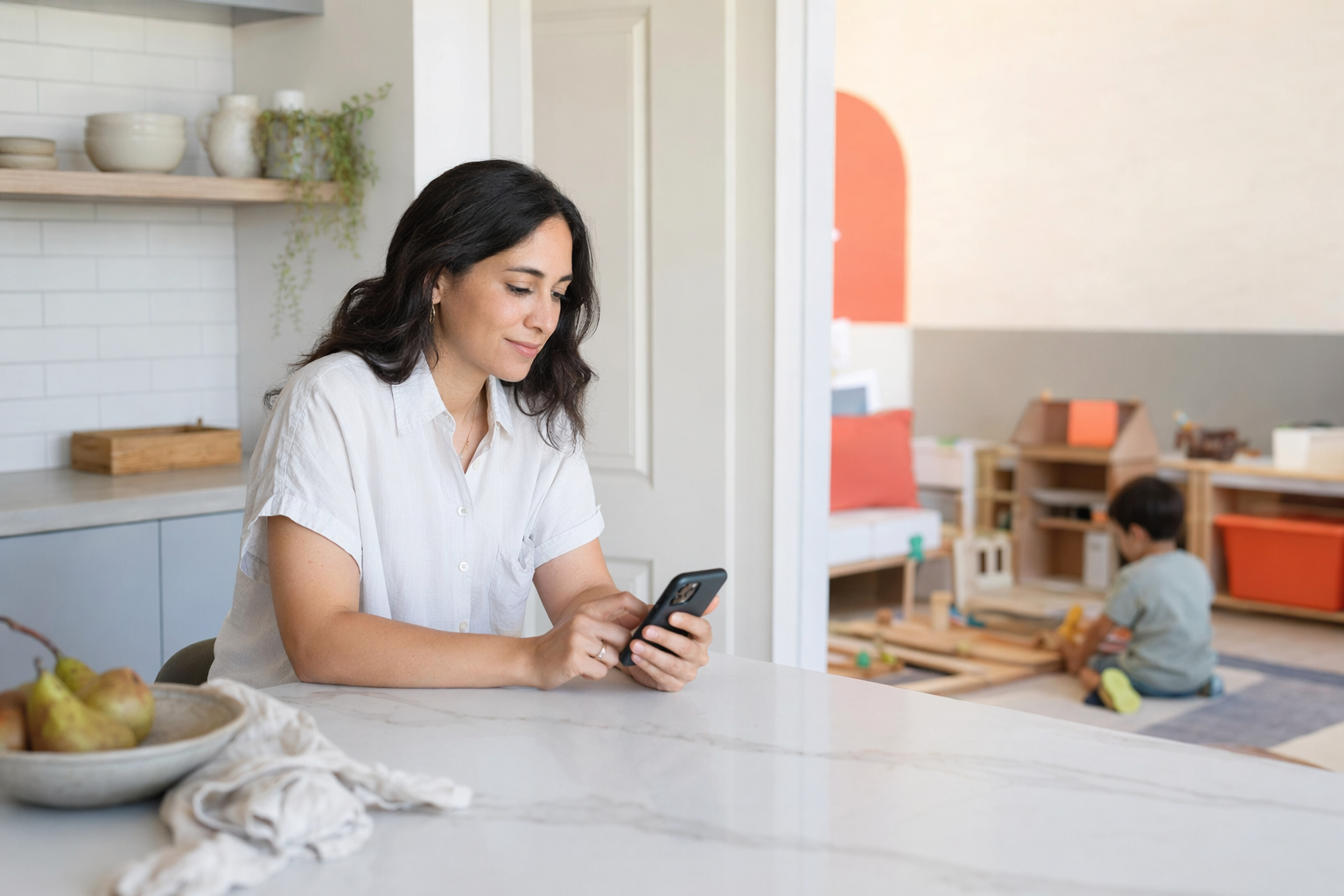
There is no single test. Still, many families notice a few common signs. Your child may be ready if they can stay with another trusted adult for a short time, show interest in other children, and handle a simple routine like snack, play, clean-up, and story time.
You may also see small independence skills. For example, your child tries to wash hands, carry a backpack, sit for a short activity, or ask for help. Many 3- and 4-year-olds are still learning these things. Teachers usually expect practice, not mastery.
Some useful signs to look for:
1. Your child can separate from you for a short period, even if they cry at first.
2. They can follow 1-2 simple directions, like "put your cup here" or "line up by the door."
3. They show interest in other children, toys, songs, or group play.
4. They can communicate basic needs in some way, with words, gestures, or both.
5. They are starting to manage transitions, like leaving the park or changing activities, with support.
If your child does only some of these, that can still be enough. The question is not "Can they do everything?" The question is "Can they begin, with help?"
Skills that matter most in the first weeks
In the first month, social and routine skills usually matter more than academic skills. Knowing the alphabet can be nice, but it does not replace being able to join a classroom routine. Many teachers care most about whether a child can participate, communicate, and calm down after a hard moment.
These areas often matter most:
- Separation: your child can say goodbye, or learn to do it with support.
- Communication: your child can show when they need the bathroom, water, help, or a break.
- Group routine: your child can try circle time, clean-up, snack, and transitions.
- Self-help: your child is learning basics like handwashing, opening simple containers, and putting on shoes or coat.
- Emotional recovery: your child gets upset sometimes, but can settle with comfort.
Toilet learning depends on the program. Some preschools require children to be toilet trained. Others help with accidents or accept children in pull-ups. Ask before you apply. You can use Questions to Ask on a Tour and How to Choose a Preschool to compare what each program expects.
- Ask exactly what the bathroom policy is.
- Ask how teachers help children who cry at drop-off.
- Ask how much outdoor play, nap, and quiet time children get.
When a child may need more time or a different setting
Some children are not ready for a large group yet. That is okay. Your child may need more time if every separation leads to panic that lasts a long time, they cannot yet communicate basic needs in any way, or the schedule feels overwhelming almost every day.
Sometimes the issue is not readiness. It is fit. A child may do better in a smaller class, shorter day, mixed-age group, bilingual setting, or play-based program. If your family speaks another language at home, keeping that home language is a strength, not a problem. See Keeping Your Home Language and Bilingual Preschool.
If you are unsure, visit programs in person and ask what a normal first month looks like. Watch how teachers talk to children. Check whether the classroom feels calm, warm, and organized. You can bring this Preschool Tour Checklist and learn how to check a preschool license. Cubby Road can also help you get matched, free to programs that fit what you want, but families should always verify the state license themselves.
How to help your child get ready at home
You do not need to create a strict school at home. Small routines help most. Try practicing a short goodbye with a trusted adult, washing hands before snack, cleaning up toys, and sitting together for one short book or song each day.
Pretend play can help too. Act out preschool with a stuffed animal. Practice hanging up a backpack, saying "help please," and walking into a room. Keep the practice short and positive. Ten minutes can be enough.
A simple plan for the 2-3 weeks before school starts:
1. Wake up closer to the school schedule.
2. Practice one short separation each week, then more often if it goes well.
3. Let your child use lunch boxes, cups, and shoes they will use at school.
4. Read books about school and talk about what happens first, next, and last.
5. Visit the building or playground if the program allows it.
If your child is starting preschool soon, First Day of Preschool Tips can help with drop-off and the first week.
- Keep goodbyes short and predictable.
- Do not promise "I will stay all day" if that is not true.
- Tell your child who will pick them up and when.
How to choose a program that matches your child
The best preschool is not the one with the fanciest website. It is the one that fits your child, your schedule, and your budget. Some families want a gentle part-time start. Others need full-day care because of work. Some children do best in Play-Based Preschool, while others enjoy more structure. You can also compare Preschool vs. Daycare and Part-Time vs. Full-Time Preschool.
Cost matters too. Prices vary a lot by city, age, and hours. Some families qualify for public or lower-cost options, including Head Start and public pre-K. Learn more on Costs and Help Paying for Preschool.
If you want support, Cubby Road is a free guide service for families. We help parents and guardians get matched to programs based on what they are looking for. We are not a preschool or daycare, and we do not decide admissions. You can see How It Works or get matched, free.
Common questions
Does my child need to be potty trained before preschool?
It depends on the program. Some require it. Some help with accidents or allow pull-ups. Always ask the school directly.
My child cries when I leave. Does that mean they are not ready?
Not always. Many children cry at drop-off at first. What matters more is whether they can settle with support after you leave.
My child does not speak much English. Can they still start preschool?
Yes, many children start while learning English. Ask if the program has experience with multilingual families and how teachers support communication.
What age is best to start preschool?
There is no single best age for every child. Many children start around age 3 or 4, but readiness depends on your child and the program.