Easing the First Day of Preschool
The first day of preschool can feel big for children and parents. Separation anxiety is common, and in many families it gets easier after a few days or a few weeks, not all at once.
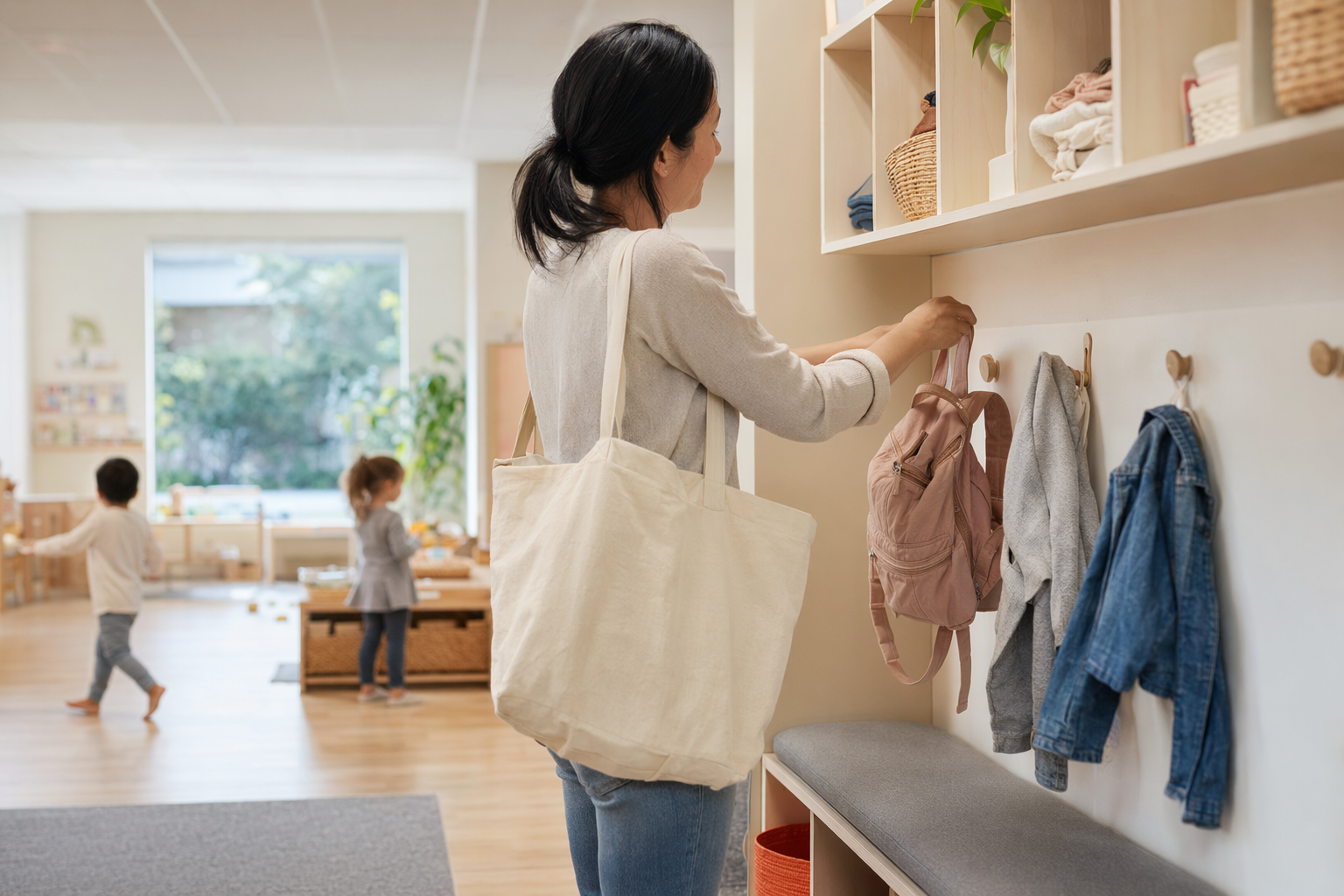
Yes, tears at drop-off can be normal
Many young children cry, cling, freeze, or say "no" at the classroom door. This does not always mean the program is a bad fit. It often means your child is meeting a new place, new adults, and a new routine.
Some children settle in 5 to 15 minutes after a parent leaves. Others need 2 to 4 weeks to feel more comfortable. It depends on your child's age, temperament, past caregiving experience, sleep, and how often they attend each week.
Parents feel it too. You may feel guilty, worried, or even cry in the car. That is common. Try not to judge yourself or your child for having a hard first day.
- Big feelings can happen even if your child was excited the night before.
- A calm goodbye routine usually helps more than a long goodbye.
Prepare before day one

Children usually do better when the new routine is not a surprise. If you can, visit the program before the first day. Walk from the car or bus stop to the door. Show your child where coats go, where the bathroom is, and where pickup happens. Our preschool tour checklist and questions to ask on a tour can help.
Start talking about preschool a few days before, in simple words. You can say, "You will play, eat snack, and I will come back after story time" or "after nap." Young children understand clear, short steps better than long explanations.
Practice the schedule at home if possible. Move bedtime a little earlier. Wake up at the same time you will need on school days. Let your child practice putting on shoes, washing hands, and carrying a small backpack or comfort item if the program allows one.
- Read a preschool book together.
- Drive or walk by the building once or twice.
- Tell your child who will drop off and who will pick up.
Make a short goodbye plan and stick to it
A predictable goodbye helps many children feel safer. Choose a simple routine and do the same thing each day for the first week or two. For example: hug, high five, one sentence, then leave. If you come back in after leaving, some children get more upset because they think the goodbye was not real.
Keep your words warm and clear. Try, "I love you. Your teacher will help you. I will come back after lunch." Avoid sneaking out without saying goodbye. It may seem easier in the moment, but it can make trust harder next time.
If the teacher suggests a handoff plan, follow it if it feels right to you. Some classrooms prefer that a teacher gently takes over with a toy, a book, or a small job. If you are still choosing a program, ask how they support first-week transitions when you get matched, free or when you tour.
- Keep the goodbye under about 1 minute if possible.
- Use the same pickup promise each day, like "after snack" or "after nap."
- Do not promise rewards for not crying.
Small comfort tools can make a big difference
Children often calm down faster when they have one familiar thing from home. Ask the program what is allowed. Some allow a small family photo, a scarf that smells like home, or a stuffed animal for rest time. Others may have different rules.
Your home language can also be a comfort tool. Teach the teacher a few important words your child knows, like water, bathroom, grandma, or help. If your family speaks more than one language, you do not need to stop using your home language. In fact, keeping it strong can help your child feel secure. Read more in keeping your home language and bilingual preschool.
You can also practice simple coping skills at home. Smell the flower, blow out the candle is an easy breathing game. So is squeezing hands 5 times. Practice when your child is calm so it is easier to use later.
- Pack an extra set of clothes if the program asks for it.
- Choose one comfort item, not many.
- Tell the teacher about any word your child uses when they are upset.
What to expect in the first few weeks
Progress is often uneven. Your child may have one easy day and then a hard day. This is still normal. Some children struggle most at drop-off. Others are fine at drop-off but very tired, hungry, or emotional at pickup.
Try to keep the rest of the day simple during the first weeks. Earlier bedtime, easy meals, and extra quiet time can help. If your child is starting part-time, the adjustment may take a little longer because there are fewer chances to learn the routine. You can compare schedules in part-time vs full-time preschool.
Stay in touch with the program about patterns, not just one hard moment. Ask questions like: When does my child calm down? What activity helps most? Does eating, bathroom use, or nap seem harder? These details matter more than a single tearful photo or one short report at pickup.
- Look for small signs of progress, like entering the room faster or joining play sooner.
- Expect extra tiredness for the first 1 to 3 weeks.
When to ask for more help
Some separation anxiety is expected. But if distress stays very intense for several weeks, talk with the teacher and your child's doctor. Also ask for help if your child stops eating for long periods, cannot calm at all during the day, has frequent physical symptoms like vomiting from stress, or becomes afraid of sleep and everyday separation at home too.
This is also a good time to check whether the program is the right match for your family. Teaching style, schedule, group size, and language support can all affect transitions. You can learn about options like play-based preschool, Montessori preschool, Head Start and public pre-K, or daycare and child care.
If you are still looking, Cubby Road can help you get matched, free with programs that fit what you need. We are a free guide service for families. We do not run preschools or daycares. Before choosing any program, visit in person and check the state license yourself.
Common questions
How long does separation anxiety usually last?
It depends. Some children improve after a few days. Others need 2 to 4 weeks, sometimes longer, especially with a new schedule or part-time attendance.
Should I stay a long time if my child is crying?
Usually a short, loving goodbye works better than staying a long time. Ask the teacher what transition plan they use.
Is it bad if my child cries every morning?
Not always. Many children cry at drop-off but calm down soon after. Ask the teacher how long it lasts and what helps.
Can speaking our home language make preschool harder?
No. Your home language can help your child feel safe and connected. Share key words with the teacher if you can.