Part-Time vs. Full-Time Preschool
Part-time preschool can work well if you want a gentle start, lower cost, or only need a few hours of care. Full-time preschool can make more sense if you work full days, need a steady routine, or want one program to cover most of the week.
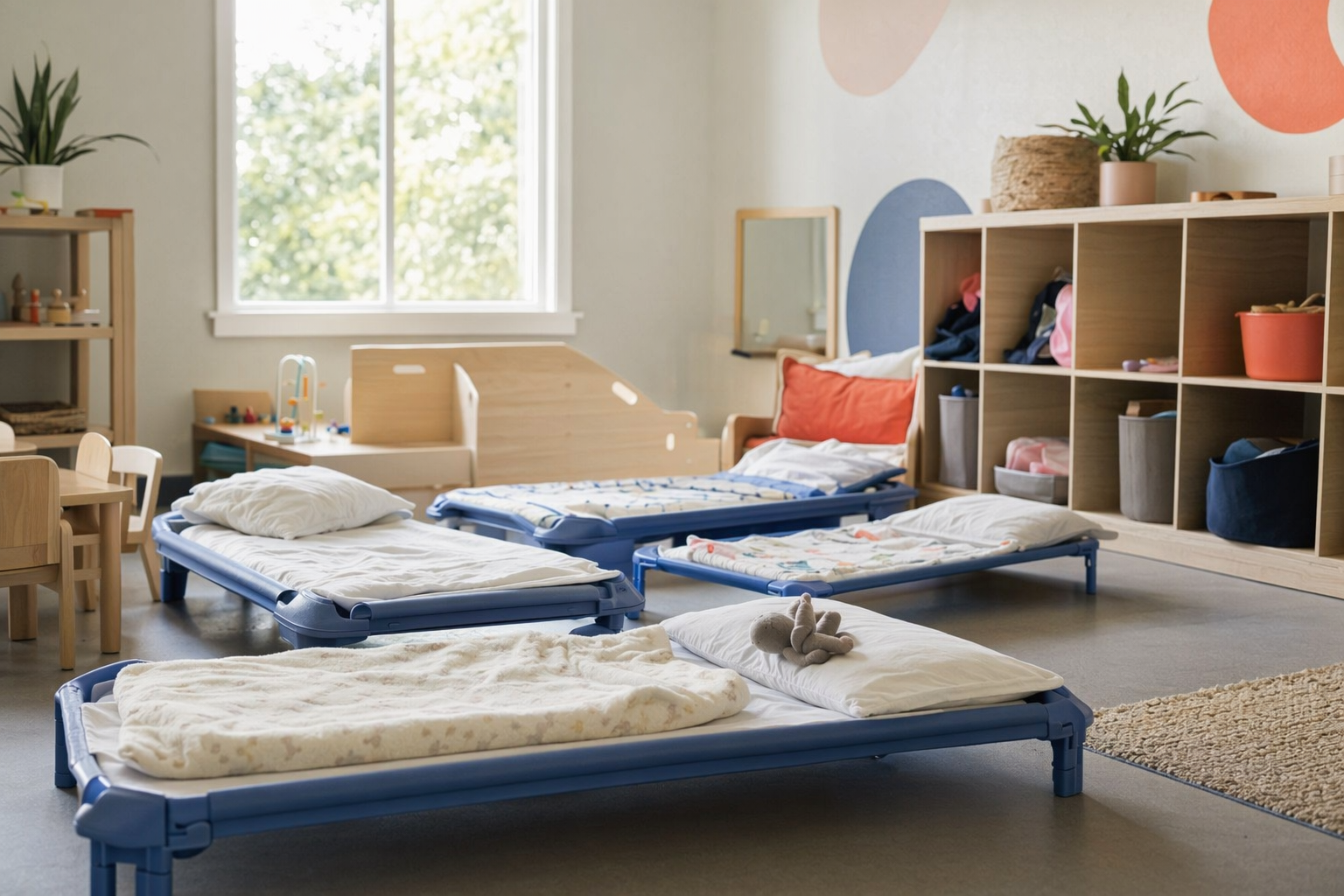
Start with your real weekly schedule
The best choice often depends on your family's hours, not on what sounds "better." Part-time preschool usually means 2 to 5 days a week for about 2 to 4 hours a day. Full-time preschool often means a full school day or close to a workday, such as 6 to 10 hours, but it depends on the program.
Ask yourself a simple question: who will care for your child before and after preschool? If one parent works evenings, a grandparent helps, or your work is only part-time, a shorter schedule may fit. If both parents work standard daytime hours, part-time can leave a big gap in the day.
Try writing your week on paper. Include work, commute, pickup time, meals, and backup help. Many families find the answer becomes clearer when they see the whole week, not just the preschool hours.
- Part-time may fit if you only need social time, learning time, or a few child-free hours.
- Full-time may fit if you need care for most of the workday.
- If your schedule changes every week, ask programs whether they offer flexible days. Some do, and many do not.
Think about cost, but also the hidden costs

Part-time preschool usually costs less than full-time preschool, but the difference is not always simple. Some programs charge by the day. Others charge by the month. A 3-day part-time spot may cost much less than full-time, but you may still need to pay for babysitting, family help, or another program on the other days.
Full-time care often costs more each month, but it may cover more hours in one place. That can mean fewer transportation problems and fewer last-minute childcare gaps. For some families, paying more for one stable schedule is worth it. For other families, a smaller part-time bill is the only realistic option.
Before you decide, ask for the full price list. Ask about registration fees, supply fees, late pickup fees, meals, and summer or holiday schedules. If you want help understanding prices, see preschool costs and help paying for preschool.
- Ask whether tuition changes if your child is absent.
- Ask if part-time families still pay for school breaks or holidays.
- Compare the total monthly cost, not just the hourly rate.
Match the schedule to your child's personality and age
Some children do very well with a short preschool day at first. This is common for younger children, children who are new to group care, or children who need more time to warm up in a new place. A shorter day can reduce stress and help with separation from parents.
Other children do better with a longer, more regular routine. They may enjoy having enough time to play, eat, rest, and learn without feeling rushed. Some full-time programs also offer a smoother day because there are fewer transitions between different caregivers.
There is no one perfect answer for every 3-year-old or 4-year-old. A child who is shy may still love full-time after an adjustment period. A very social child may still get tired with long days. If you are unsure, read preschool readiness signs and ask programs how they help children adjust slowly.
- Younger children often need more rest and slower transitions.
- If your child still naps, ask exactly where and when rest happens.
- If your child is learning more than one language, ask how teachers support communication during the day.
Look at what the program actually offers
Part-time and full-time do not tell you everything. Two part-time programs can feel very different. One may be play-based, with songs, outdoor play, and group activities. Another may be more academic, with circle time, letters, and early math. The same is true for full-time programs.
Ask what happens in a normal day. Ask how much outdoor time children get, whether there is rest time, and how teachers help with toilet learning, meals, and transitions. If your family wants a certain teaching style or language support, that may matter more than the number of hours.
You can compare options like play-based preschool, Montessori preschool, bilingual preschool, or daycare and child care. It also helps to read preschool vs. daycare if you are deciding between an education-focused program and longer-day care.
- Ask for a sample daily schedule.
- Ask whether part-time children miss special activities that full-time children get.
- Ask how the program supports children who are new to English.
Tour in person and verify the license yourself
A schedule that looks good on paper may feel different when you visit. Tour the program in person if you can. Watch how teachers talk to children. Look at the classroom, bathroom access, outdoor space, and arrival and pickup routines. Bring your questions with you.
This step is especially important because every program is different. A full-time preschool is not automatically better than a part-time one, and a part-time preschool is not automatically calmer or cheaper. It depends on the program, the teachers, and your family needs.
Use our preschool tour checklist and questions to ask on a tour. Also verify the state license yourself before choosing any program. You can learn how in how to check a preschool license. Cubby Road is a free matching service. We help families find options, but parents should always visit and verify details themselves.
- Ask whether pickup times are strict and what late fees cost.
- Ask how many teachers are in the room at your child's age level.
- Ask whether you can start with shorter days and change later.
A simple way to decide
If you feel stuck, use three decision points: your work hours, your budget, and your child's adjustment needs. You do not need a perfect answer forever. Many families start part-time and move to full-time later. Others choose full-time right away because work leaves no other safe option.
Here is a simple way to compare:
- Choose part-time if you mainly want socialization, early learning, or a gentle first school experience.
- Choose full-time if you need care for most of the workday and want one regular routine.
- Keep looking if the schedule fits but the program does not feel right in person.
If you want help finding options that match your hours, language needs, and budget, you can get matched, free. You can also learn more about how Cubby Road works.
- It is okay to ask programs if they have waitlists for one schedule but not the other.
- A family's best choice this year may be different next year.
- If possible, have a backup plan for sick days, holidays, and closures.
Common questions
Is part-time preschool better for a child who is shy?
Sometimes. A shorter day can help some children adjust slowly. But some shy children do better with a steady full-time routine. It depends on the child and the program.
Is full-time preschool too long for a 3-year-old?
Not always. Some 3-year-olds do well in full-time care, especially if the day includes play, meals, and rest. Ask how the program handles nap time and transitions.
Can I switch from part-time to full-time later?
Sometimes, but not always. It depends on space and the program's rules. Ask before you enroll because some programs have waitlists.
How do I know if a preschool is safe and legal?
Visit in person and verify the state license yourself. Ask questions about supervision, pickup rules, and teacher-child ratios. Do not rely only on online listings.