Keeping Your Home Language in Preschool
No, preschool does not automatically make a child lose the language you speak at home. In many cases, children can learn English at school and keep growing in their home language too, especially when families and programs support both.
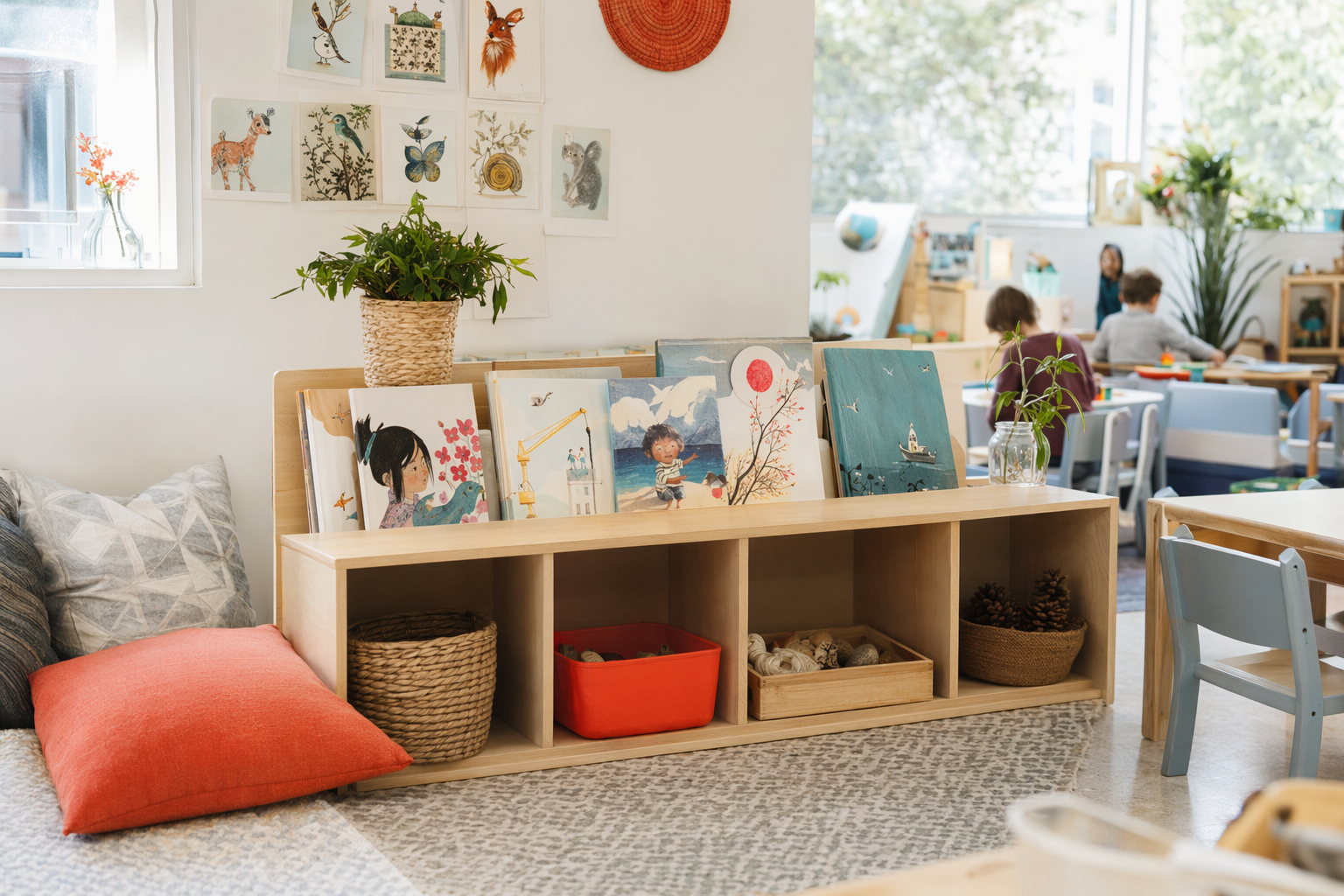
Your child can learn two languages at the same time
Many young children can learn more than one language together. It is normal if they mix words sometimes, answer in one language, or seem stronger in one language for a while. That does not mean they are confused.
What matters most is regular practice. If your child hears and uses your home language every day with people they love, that language stays strong. Preschool may increase English exposure, but home is still a powerful place for language.
Some families worry that speaking the home language will slow down English. Usually, that is not how it works. A strong base in the first language can help children learn new words, ideas, and social skills in English too.
- It is normal for progress to go up and down.
- It is normal for one language to become stronger for a period of time.
- Understanding a language often comes before speaking it a lot.
Why keeping your home language helps your child
Your home language is not only about words. It is also about family, culture, stories, humor, and trust. When children keep that language, they can talk with grandparents, relatives, and community members more easily.
Keeping the home language can also help children express feelings and understand family rules. Many children feel safest and most understood in the language they hear at home. That emotional connection matters in the preschool years.
There can be learning benefits too. Dual-language means using two languages in daily life. Children who use two languages often practice listening carefully, switching between ideas, and understanding that one thing can have two names. Every child is different, but bilingualism is a strength, not a problem.
- Stronger family connection
- Better communication with relatives
- More access to culture, songs, and traditions
- Another language skill your child can use later in school and work
What actually helps a child keep the home language
The biggest factor is use. If your child only hears the home language a little, they may start answering mostly in English over time. If they hear and use the home language every day, they are more likely to keep it.
You do not need a perfect plan. Small habits help a lot. Reading, singing, mealtime talk, prayers, jokes, phone calls with relatives, and weekend community events all count.
Try simple routines like these:
1. Speak your strongest language at home. Clear, rich talk is better than limited talk in a language that feels hard for you.
2. Read the same books again and again in your home language.
3. Give your child jobs that require talking, like helping cook or telling a grandparent about their day.
4. Keep screen time, songs, and stories in your home language when possible.
5. Ask relatives to keep using the home language with your child.
What to ask a preschool about language support
You do not need a program that speaks your language perfectly to ask good questions. Some programs are fully bilingual. Others use mainly English but still respect and support children's home languages. You can learn a lot during a tour.
Ask concrete questions. Listen for real examples, not just general promises. For help preparing, see questions to ask on a tour and this preschool tour checklist.
Good questions to ask:
- How do teachers help children who are learning English?
- Do teachers use any words, songs, labels, or books in children's home languages?
- If my child is quiet at first, how will you help them communicate?
- How do you share updates with parents who prefer another language?
- Are families welcome to share songs, stories, or traditions?
- Has your staff worked with multilingual children before?
If you want a program where two languages are part of the day, you can also read about bilingual preschool. But any program should still show respect for your family's language and culture.
Signs a program may be supportive, and signs to pause
During a visit, look for small details. Are there books, labels, music, or greetings in more than one language? Do teachers speak warmly about families' cultures? Do they seem patient if a child needs time to understand English? These are useful signs.
Be careful if a program tells you to stop speaking your home language at home. That advice is often too simple and can hurt family communication. It is also a warning sign if staff treat a second language like a problem instead of a strength.
A supportive program might not be perfect. It might not have staff who speak your language. But it should be respectful, curious, and ready to work with your family. You can compare options in programs and learn more in how to choose a preschool.
- Supportive sign: teachers ask how to pronounce your child's name correctly
- Supportive sign: families are invited to share traditions or books
- Pause sign: staff say children should use only English everywhere
- Pause sign: communication with parents is unclear or dismissive
How Cubby Road can help you look for the right fit
If language support matters to your family, say that early in your search. You may want a bilingual program, a teacher who speaks your language, part-time care, or a school that welcomes family culture. Needs like these can affect what options are a good fit.
Cubby Road is a free matching and guide service for parents and guardians. We help families look for preschool, daycare, and early-childhood options based on what they need. We do not run programs or promise admission. It always helps to visit in person and check the state license yourself. You can start here to get matched, free or read how it works.
Cost also matters for many families. If you are comparing tuition, public pre-K, or help with payment, these guides may help: costs, Head Start and public pre-K, and help paying for preschool.
Common questions
Will my child get confused if we speak our home language and preschool uses English?
Usually no. Mixing words or using one language more for a while is normal in young children.
Should we stop speaking our home language so our child learns English faster?
Usually no. Speaking your strongest language at home helps your child get rich conversation and strong family connection.
What if my child answers me in English?
That is common. You can keep speaking your home language and create more chances for your child to hear and use it without turning every conversation into a correction.
Do we need a bilingual preschool to keep our home language?
Not always. A bilingual program can help, but daily use at home is still very important. Visit programs in person and ask how they support multilingual families.