A Preschool Guide for Immigrant Families
Starting preschool in the United States can feel confusing, especially if you are new here. The good news is that many families can look for preschool or daycare no matter what language they speak, and some programs are free or low cost.
What preschool means in the United States
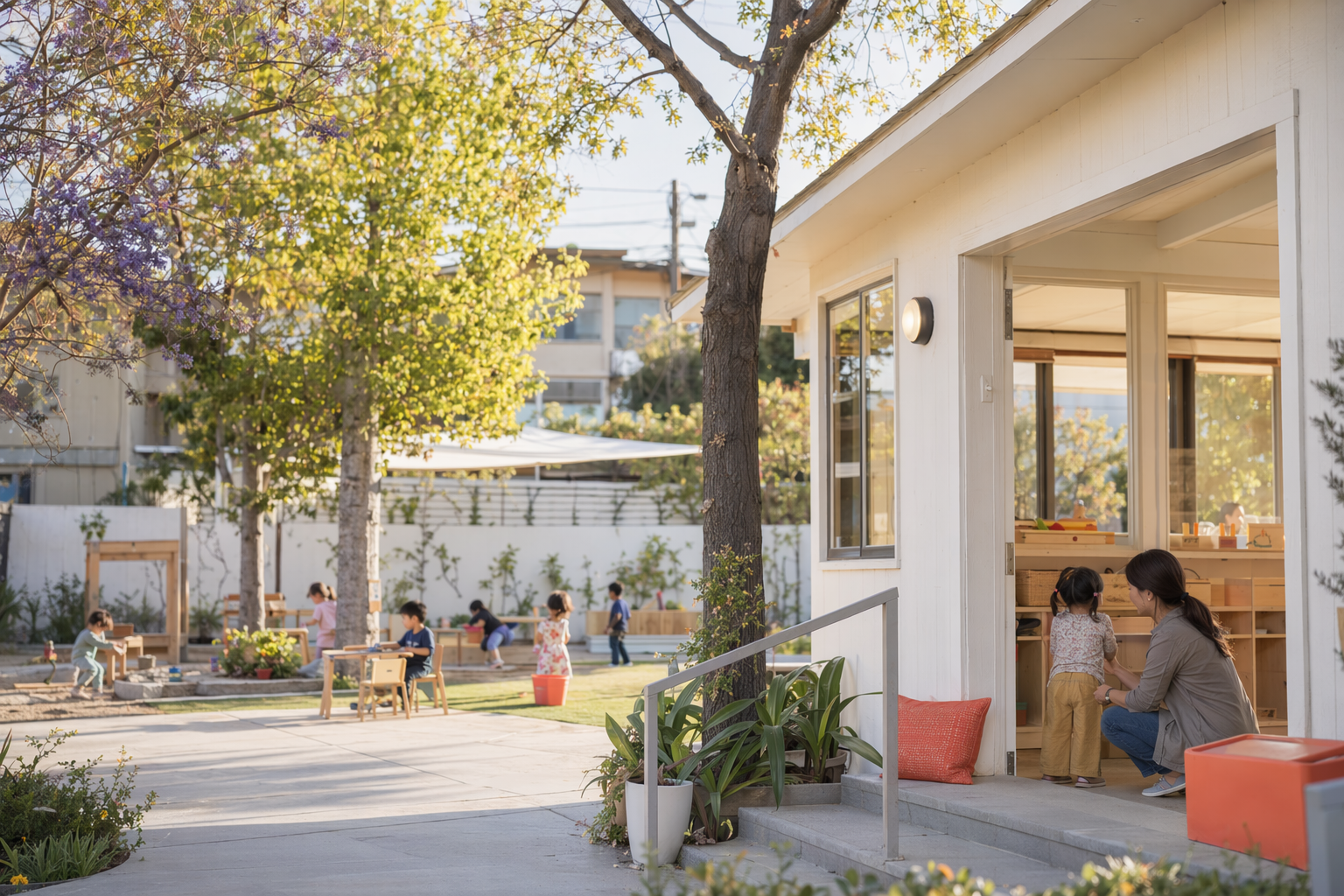
In the U.S., "preschool" usually means an early-learning program for children about ages 3 to 5. Some programs are only part day. Others are full day. "Daycare" or "child care" often means longer care hours for working families, including for younger children too. Some programs mix both learning and care.
You may also hear "Pre-K" or "prekindergarten." This often means a program for 4-year-olds, and sometimes for 3-year-olds, run by a public school, city, or community program. In some places, Head Start is another option for families with lower incomes. You can learn more about types of programs at programs and Head Start and public Pre-K.
Every state has its own rules. Ages, hours, prices, and school-year calendars can be very different. That is why it helps to make a short list, visit in person, and ask clear questions before you decide.
- Preschool is usually for ages 3 to 5.
- Daycare may have longer hours and may serve babies, toddlers, and preschoolers.
- Public Pre-K and Head Start may be free or low cost if your family qualifies.
Your language matters, and your family has the right to ask questions
If English is not your first language, you can still ask for information in a way you understand. Some schools and programs have bilingual staff. Some use interpreters or translated forms. Not every program offers the same support, but it is okay to ask.
Try simple questions like: Do you have staff who speak my language? Can you explain the schedule slowly? Can I get forms translated? If a program cannot fully translate everything, ask them to go section by section with you.
A bilingual program can be helpful, but it is not the only good option. What matters is whether teachers communicate clearly, welcome your family, and help your child feel safe and included. If keeping your home language is important to you, this guide can help.
- Ask if staff speak your language.
- Ask for translated forms or interpreter help.
- Ask how teachers support children who are learning English.
Immigration status and applying for preschool
Many families worry that immigration status will stop them from finding preschool. In many cases, private preschool and daycare programs do not require proof of citizenship for a child to attend. Public and free programs can have different rules, and those rules depend on the state, city, and the specific program.
Some programs may ask the parent or guardian for contact information, address, emergency contacts, and papers that show where you live. Free or subsidized programs may also ask for income documents to see if you qualify. If a rule is not clear, ask the program to explain exactly what documents they need and why.
If you do not understand a form, do not guess. Ask the school directly. You can also get matched, free through Cubby Road. We are a free guide service. We help parents and guardians look for programs that fit what they need. Then families can contact programs and ask their own questions.
- Rules depend on the program and where you live.
- Free programs may ask for income or address documents.
- If something feels confusing, ask for the document list before you apply.
Free and lower-cost options to look for
Preschool prices in the U.S. can vary a lot. In some areas, part-time preschool may cost a few hundred dollars each month. In other places, full-time care can cost over $1,000 or even $2,000 a month. It depends on the city, schedule, and age group. Public programs and family support programs can make a big difference.
Common lower-cost options include public Pre-K, Head Start, state child care assistance, and community or faith-based programs with scholarships. Some programs offer part-time schedules that cost less than full-time care. You can read more at costs and help paying for preschool.
Start early if you can. Some free programs have waitlists. In many places, families apply months before school starts. If you are not sure where to begin, make a list of your must-haves first: price, location, language support, and hours.
- Public Pre-K may be free in some cities or school districts.
- Head Start is often free for families who qualify.
- Subsidy means government help paying for child care if your family qualifies.
What to check before you choose a program
Do not choose based only on a website or a phone call. Visit in person if you can. A tour helps you see how teachers talk to children, how clean the space is, and whether the daily routine fits your family. It also helps you notice if staff seem patient and respectful.
You should also verify the state license yourself. A license means the program is approved by the state to operate, but rules and inspection systems are different in each state. Cubby Road does not inspect programs or guarantee quality. Families should always check the state record and ask questions directly. This guide can help: how to check a preschool license.
Here are good questions to ask on a tour:
1. What are your hours, and what happens if I am late?
2. How many children are in each class, and how many teachers are there?
3. How do you help children who are learning English?
4. What fees do I pay besides tuition?
5. What papers do you need to apply?
For more help, use the preschool tour checklist and questions to ask on a tour.
- Visit in person if possible.
- Verify the state license yourself.
- Ask about extra fees, not only monthly tuition.
A simple way to start if you feel overwhelmed
If this feels like a lot, start small. You do not need to know everything on day one. Many families begin with just three questions: What can I pay? What area do I need? What hours do I need?
Then make a short list of 3 to 5 programs. Call or message them. Ask if they have space, a waitlist, or an upcoming tour. If one program does not answer, keep going. That is normal.
Cubby Road is a free matching service for parents and guardians. We are not a preschool or daycare. We help families look for options based on what they want, such as budget, schedule, location, and language support. If you want a starting point, you can get matched, free or learn how it works.
Common questions
Can my child go to preschool if we speak little English at home?
Yes. Many programs welcome multilingual families. Ask how they support children who are learning English and whether they offer translated help for parents.
Do all free preschool programs ask for the same documents?
No. It depends on the program and your state. Ask each program for a full document list before you apply.
Is preschool always free in the United States?
No. Some public programs are free, but many private preschools and daycares charge tuition. Prices vary a lot by city and schedule.
How can I tell if a program is legitimate?
Visit in person, ask questions, and verify the state license yourself. Do not rely only on ads or online listings.