Faith-Based Preschools
Faith-based preschools are early learning programs connected to a religion or place of worship. They can offer warm community, songs, stories, and values teaching, but each program is different, so it is important to visit and ask clear questions.
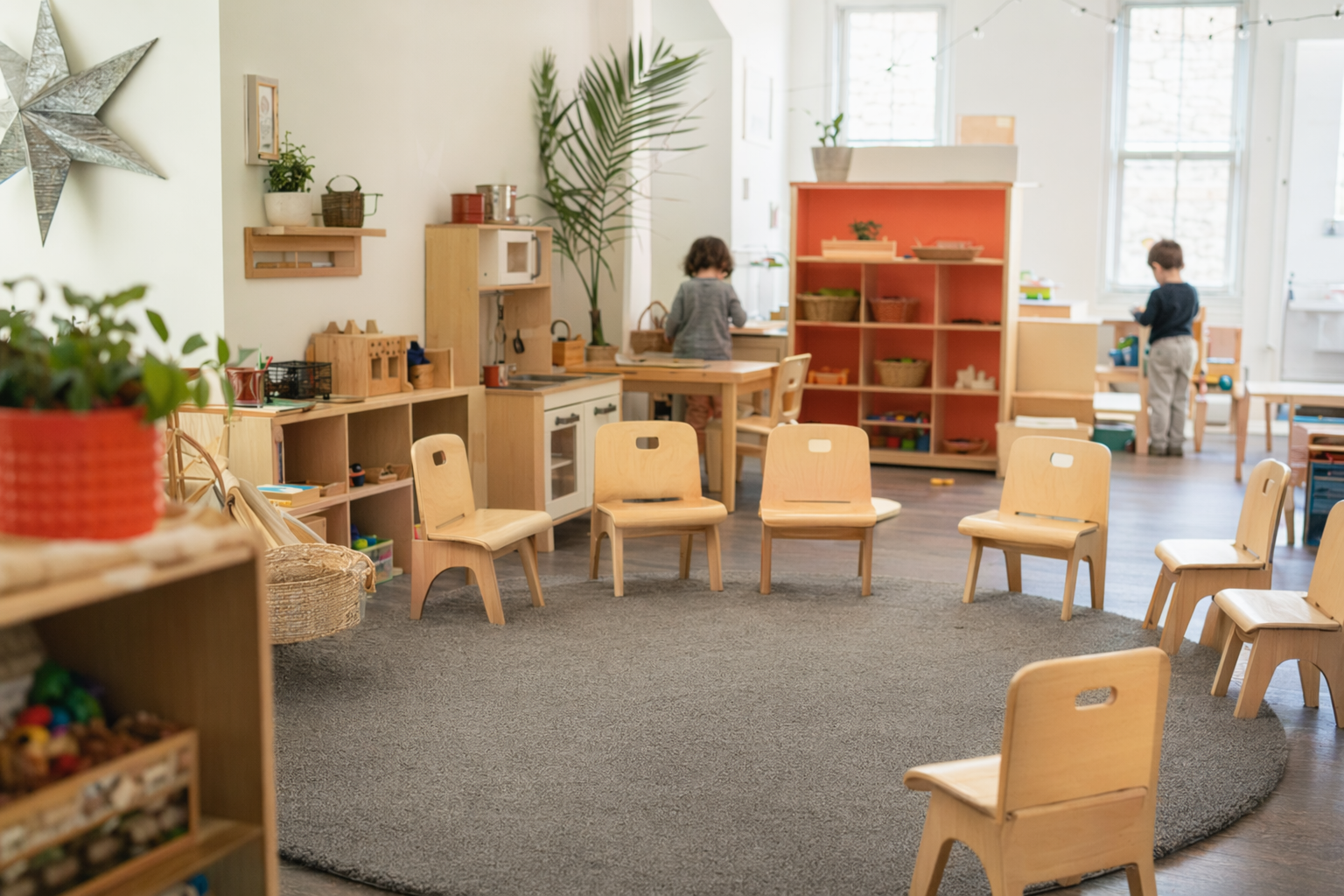
What a faith-based preschool is
A faith-based preschool is a preschool that includes religious beliefs or practices as part of the school day. It may be connected to a church, mosque, synagogue, temple, or another faith community. Some programs include daily prayer or religious stories. Others keep the religious part small and focus mostly on play, routines, and early learning.
These programs can be full-day or part-day. Some are only for preschool ages. Some also offer care for younger children. If you are still comparing options, you can look at other program types on our programs page.
Not every faith-based preschool is the same. One program may welcome families from many backgrounds. Another may expect families to be comfortable with one religion's teachings. Ask exactly how faith shows up in class, holiday celebrations, discipline, and family events.
- Faith-based means religion is part of the program in some way
- The amount of religious teaching can be very different from one program to another
- Always visit in person and check the state license yourself
How a typical day may look

A typical day often looks similar to other preschools. Children may have free play, circle time, snack, outdoor time, art, music, story time, and rest. The difference is that some activities may include prayer, faith songs, Bible stories, or lessons about values and behavior through a religious lens.
For example, a class might start with a short prayer before snack, read a religious story during circle time, or celebrate religious holidays during the year. In some programs, this is a small part of the day. In others, it is a bigger part of the curriculum.
Ask for a sample daily schedule. That helps you see how much time is spent on play, early academics, outdoor time, and religious activities. If you want a program focused more on child-led learning, you may also want to compare play-based preschool or Montessori preschool.
What ages it can fit
Many faith-based preschools serve children ages 2.5 to 5, but it depends on the program. Some start at age 2. Some only offer pre-K for 4-year-olds. Some centers connected to a faith community may also have infant or toddler care.
If your child is younger, look at options by age too, like toddler daycare or preschool ages 3 to 4. Age cutoffs, toilet training rules, and schedule choices can vary a lot.
A part-day faith-based preschool can work well for families who want a gentle first school experience. A full-day program may work better if parents need longer care hours. If you are deciding between school-like hours and longer care, this guide on preschool vs daycare may help.
Pros and honest trade-offs
For some families, a faith-based preschool feels familiar and comforting. Families may like the community, shared values, smaller setting, or holiday traditions. Some programs also cost less than private secular preschools, especially if they are part-day.
There can also be trade-offs. The religious teaching may not match your family's beliefs. Some programs are very welcoming to families from different backgrounds, and some are less flexible. Curriculum can range from very academic to mostly play-based. Hours may be shorter than a daycare center.
It also depends on language support, behavior policies, and inclusion for children with different needs. If keeping your home language matters to you, ask how teachers support multilingual children. Our guide on keeping your home language may help you think of questions before a visit.
- Possible pros: community, values-based teaching, familiar traditions, sometimes lower cost
- Possible trade-offs: shorter hours, stronger religious expectations, less fit for some families
How to tell a good fit apart
Look closely at the classroom, not just the website. Are children engaged and calm? Do teachers speak kindly and get down at the child's level? Is there time for play, movement, and outdoor activity, not only worksheets or sitting still?
Ask how the program supports children who are shy, learning English, or coming from a different culture or religion. A strong program should be able to explain its approach in simple words. It should also be clear about daily routines, discipline, and family communication.
Most important, verify the license yourself with the state and ask about staff training and ratios. Ratios means how many children each adult cares for. Lower ratios can mean more attention, but rules differ by age and state. You can use our guides on how to check a preschool license and understanding teacher-child ratios.
What to ask on a tour
A tour is your chance to ask direct questions. Be polite, but specific. You are trying to learn whether the program matches your family's beliefs, schedule, budget, and comfort level.
Helpful questions include:
1. How is religion part of the day?
2. Are families from other faiths or no faith welcome?
3. What holidays do you celebrate, and how?
4. What curriculum do you use for reading, math, and social skills?
5. How do you handle behavior problems, separation tears, and family concerns?
6. What are your hours, late policies, and yearly calendar?
Bring a list so you do not forget. Our preschool tour checklist and questions to ask on a tour can make this easier.
- Ask whether children must participate in prayers or religious lessons
- Ask how the program talks about families with different beliefs
- Ask for all fees in writing
How faith-based preschools compare on cost
Cost varies a lot by city, schedule, and age. Some faith-based preschools are more affordable than other private preschools, especially if they are part-time and run only during the school year. Others cost the same as private secular programs. Full-day programs usually cost more than half-day ones.
Make sure you ask about the full price, not just tuition. There may be registration fees, supply fees, uniforms, field trips, or fundraising expectations. Ask whether there is a discount for members of the faith community, siblings, or part-time schedules.
If cost is a big concern, look into public and lower-cost options too, such as Head Start and public pre-K. You can also read costs and help paying for preschool. Cubby Road can help you get matched, free with programs that fit your budget and preferences, but admission and prices always depend on each program.
Common questions
Does my family need to follow that religion to apply?
Not always. Some programs welcome all families. Some expect families to be comfortable with their religious teachings. Ask directly before you apply.
Are faith-based preschools cheaper?
Sometimes, but it depends on the city, schedule, and program. Part-day programs are often less expensive than full-day care.
Will my child still learn reading and math skills?
Often yes, but the approach can be different from one program to another. Ask what curriculum they use and what a normal day includes.
How can Cubby Road help?
Cubby Road is a free matching service for parents and guardians. We help you find programs that may fit what you want. We do not run preschools, promise a spot, or judge program quality.