What Age Does Preschool Start?
Most preschool programs start around age 3. But care and early-learning programs can start much earlier, sometimes at 6 weeks old, and the right fit depends on your child’s age, your schedule, and what is available in your area.
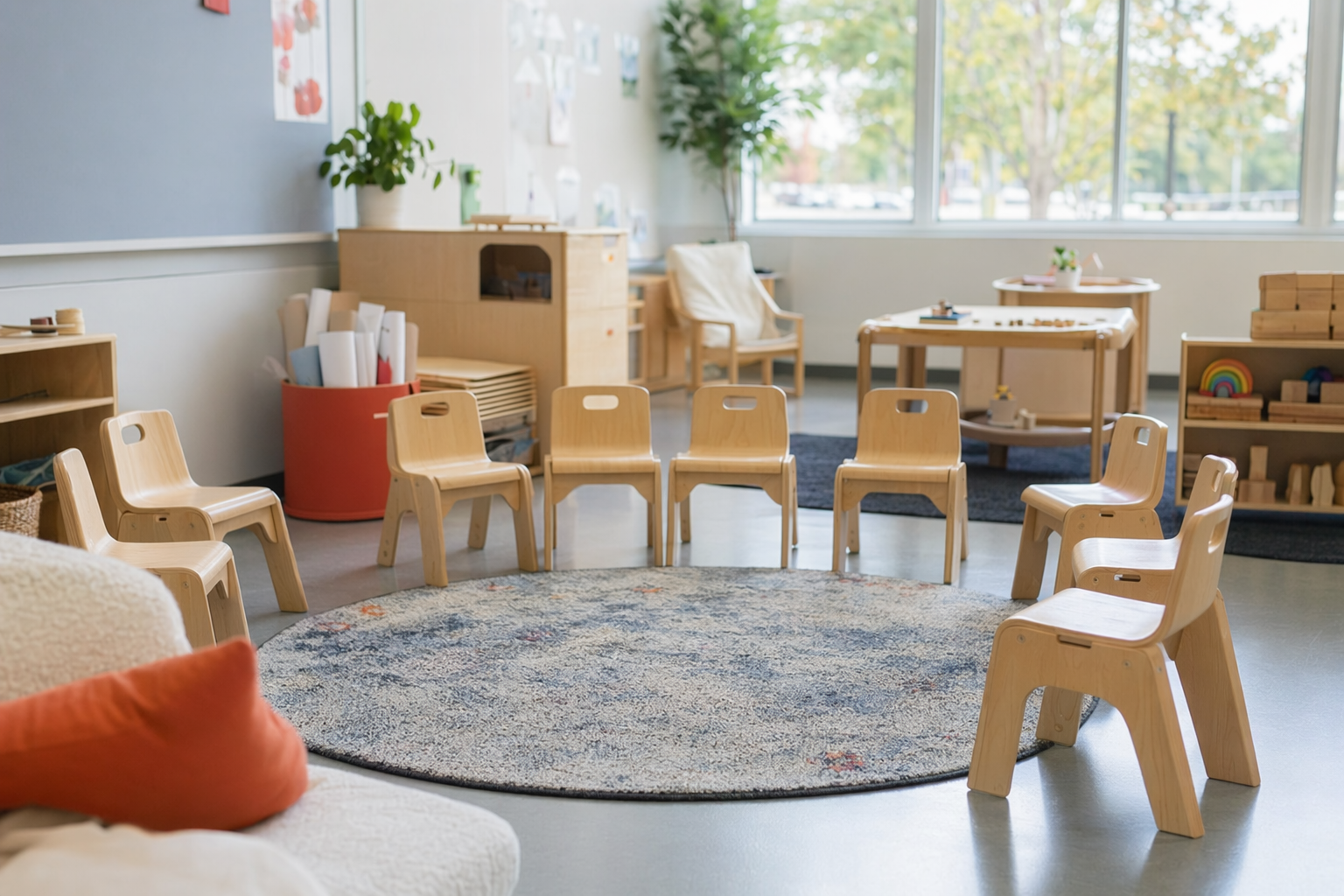
The short answer: preschool usually starts at 3
In the United States, many families use the word "preschool" for programs for children ages 3 to 4. Then "pre-K" often means the year before kindergarten, usually age 4 to 5. These names can change by state, school, or provider.
Some programs accept children as soon as they turn 2.5 or 3. Others have strict age cutoffs, such as "must be 3 by September 1." That means two children with the same birthday month may qualify for different programs depending on the city or state.
If your child is younger than 3, you will usually look at infant care, toddler care, or a twos program instead of preschool. You can compare common options on Programs or by age at Ages.
- Preschool: often ages 3 to 4
- Pre-K: often ages 4 to 5
- Daycare or child care: may start as early as 6 weeks
Common age groups from baby to pre-K
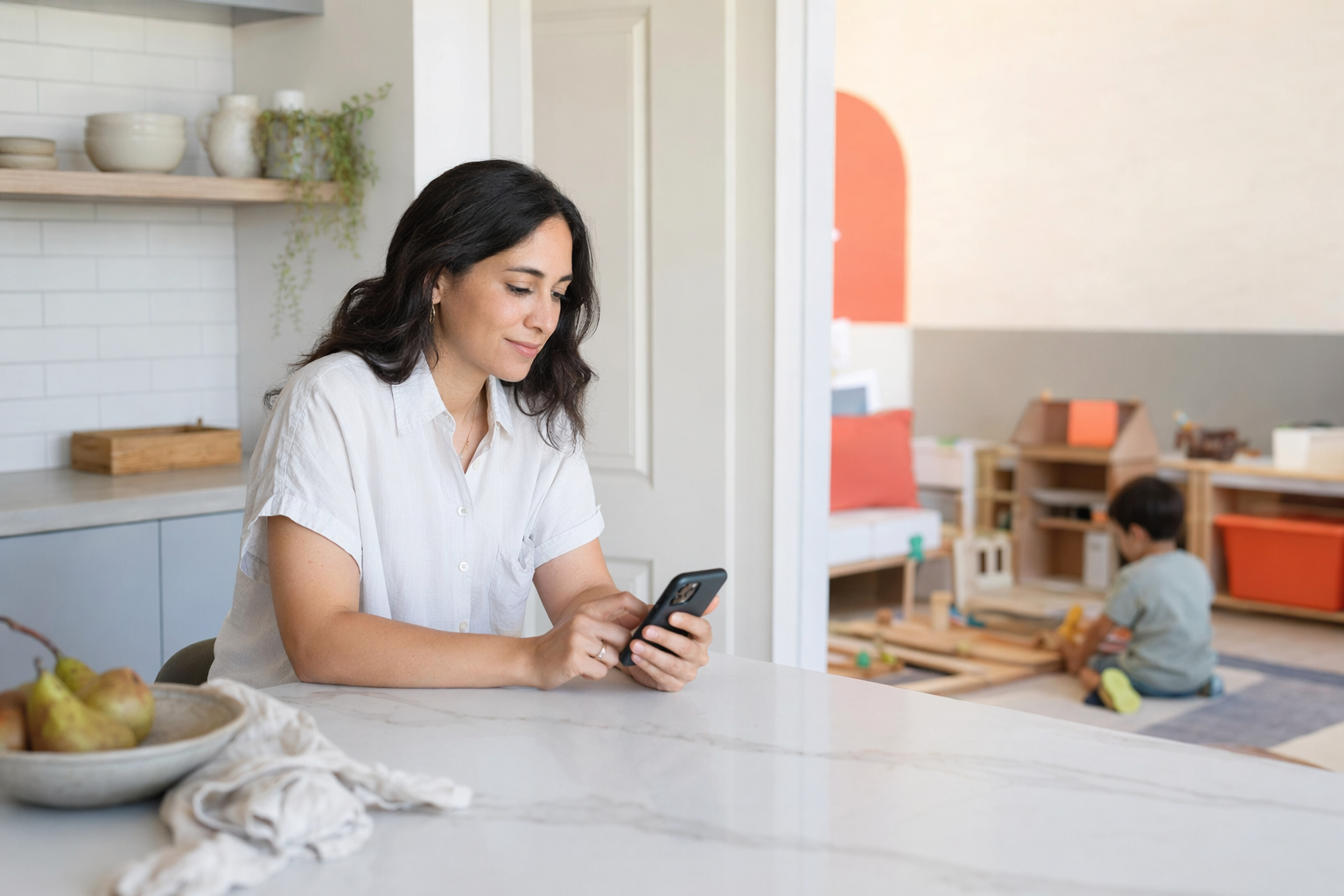
Programs often group children by age and development. "Development" means how a child is growing and learning, such as language, movement, and social skills. The exact group names vary, but many families will see something like this.
- Infant care: about 6 weeks to 12 months
- Toddler care: about 1 to 2 years
- Twos program: about age 2 to 3
- Preschool: about age 3 to 4
- Pre-K: about age 4 to 5
A program may move a child based on age, available space, or readiness. For example, one school may keep children in a toddler room until 30 months, while another may move them sooner. If you are not sure where your child fits, see infant daycare, toddler daycare, twos programs, preschool 3-4, and pre-K 4-5.
What age can children start if they are under 3?
If your child is not yet 3, preschool may not be the usual label. Many families look for daycare, child care, or an early-learning program. Some centers begin at 6 weeks. Others start at 12 months, 18 months, or age 2.
This matters because a family may search for "preschool" when what they really need is full-day child care for a 2-year-old. A school might offer only a short 3-hour preschool day, while a daycare may offer care from morning to late afternoon. If you want help understanding the difference, read Preschool vs. daycare and part-time vs. full-time preschool.
You may also see special program styles, such as Montessori preschool, play-based preschool, bilingual preschool, or Head Start and public pre-K. Not every style is offered for every age group.
How to tell if your child is ready
Age is only one part of the decision. Some 3-year-olds are excited to join a group. Some need more time. Readiness does not mean a child must be "perfect" at listening, speaking English, or using the toilet unless the program says that is required.
Signs a child may be ready for a preschool setting can include interest in other children, ability to spend short time away from a parent, and curiosity about routines like circle time, books, songs, or simple activities. But every child is different, especially if they are learning more than one language.
Before you decide, ask the program what they expect for your child’s age group. A good next step is preschool readiness signs and keeping your home language. Speaking your home language is not a problem. It can be a strength.
- Ask if toilet training is required
- Ask how they support children who are learning English
- Ask how long the school day is and how transitions work
Important details that change by program and state
The age to start is not the only rule. Programs may also have cutoff dates, class size limits, and teacher-child ratio rules. A ratio is how many children one teacher can supervise. These rules differ by state and age group.
For example, a younger class may have fewer children per teacher than an older preschool class. That can affect whether a spot opens up quickly or whether there is a waitlist. Learn more at understanding teacher-child ratios and preschool waitlists explained.
Always visit in person if you can. Ask questions. Then verify the program's state license yourself. Cubby Road is a free matching and guide service. We help parents and guardians find options, but we do not run programs, inspect quality, or guarantee admission or a spot. You can use how to check a preschool license before you choose.
What to do if you are searching now
Start with your child’s age, your work schedule, and your budget. Then make a short list of programs that match those needs. If cost matters, check Costs and help paying for preschool. Some families may qualify for public programs or financial help, but it depends on location and family situation.
When you contact programs, ask simple questions first: What ages do you accept? Is there part-time or full-time care? What is the start date? Is there a waitlist? Do you support families who speak another language at home?
If you want support, you can get matched, free. Cubby Road helps parents and guardians look for preschool, daycare, and early-childhood options based on what they need. We collect the parent or guardian's contact information and what they are looking for, then help connect them to possible matches. Before choosing any program, tour it in person with the preschool tour checklist or questions to ask on a tour.
- Check age rules and cutoff dates
- Ask about schedule, price, and waitlist
- Visit in person and verify the state license yourself
Common questions
Can a 2-year-old go to preschool?
Sometimes yes, but many 2-year-olds are in a twos program or daycare instead. It depends on the program’s age rules.
Is preschool the same as pre-K?
Not always. Preschool often means ages 3 to 4, and pre-K often means ages 4 to 5, but names can vary.
Does my child need to speak English before starting preschool?
Usually no. Many children start while learning English. Ask each program how they support multilingual families.
How do I know if a program is licensed?
Ask for the license information and verify it with your state yourself. Use [how to check a preschool license](/guides/how-to-check-a-preschool-license/) for step-by-step help.